
By the Crown Trim Roofers team · Published · Updated
Attic ventilation is a system: cool air comes in low at the eaves, warm air leaves high at the ridge or roof vents, and the roof sits in between. When the system stalls, heat builds up under the roof. The fix belongs to our roof inspection and maintenance work, and the repair is described on our attic ventilation repair page. This post is about the signs.
What are the signs of poor attic ventilation?
Most owners notice the symptoms in the house or on the roof before they ever open the attic hatch.
- Hot upstairs rooms. A bedroom under the roof stays warm long after the sun goes down.
- High cooling bills. The air conditioner runs long and the house still does not cool.
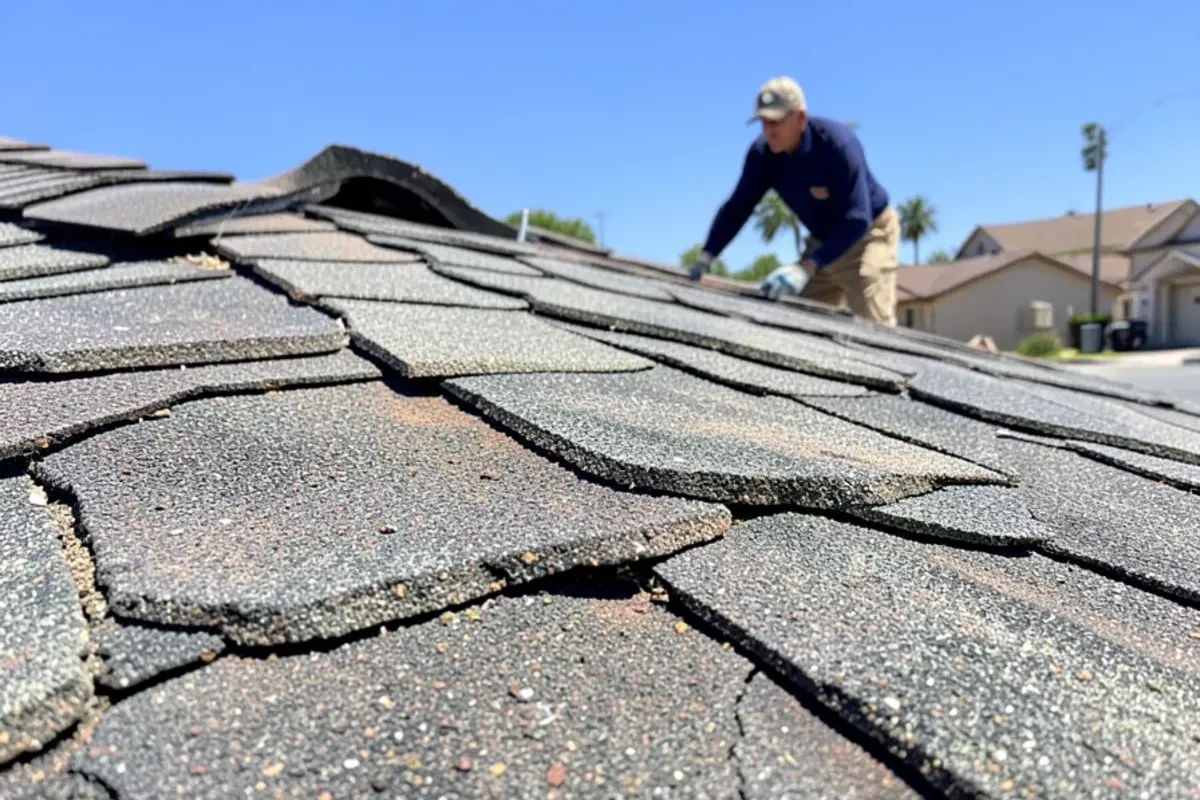
- Curling, cracked or blistered shingles. Heat from below ages them faster than the sun on top.
- A musty attic smell or damp insulation. Moist air with nowhere to go condenses on cool wood.
- Rusted nails or dark staining on the deck. A sign of repeated moisture.
- Paint peeling on the soffit or fascia. Humid air can push through and lift paint.
One of these on its own may mean something else. Two or three together point to the attic.
How hot does an attic get in Southern California?
Hot. Torrance sees only about four days a year over 90 degrees (Best Places), but the roof deck and attic heat up well past outside air temperature on any sunny day. Roof surfaces absorb the sun, pass the heat into the attic and radiate it down into the rooms. Without a path for that heat to leave, it just sits.
That matters most in the older housing stock. The median Torrance home was built in 1964, and 82.3 percent were built before 1980 (US Census, ACS 2020-2024). Many of those homes have small gable vents, a few box vents, or old turbines, and some have soffits that were covered when insulation was added later.
Is it a hot attic or a damp attic?
Poor ventilation shows up two ways, and the signs differ.
| Type | What you notice | Likely cause |
|---|---|---|
| Hot attic | Warm upstairs rooms, curling shingles, high cooling bills | Blocked intake or too little exhaust in summer sun |
| Damp attic | Musty smell, damp insulation, rusty nails, stained deck | Humid house air leaking in, bath or kitchen fans venting into the attic, no airflow to carry moisture out |
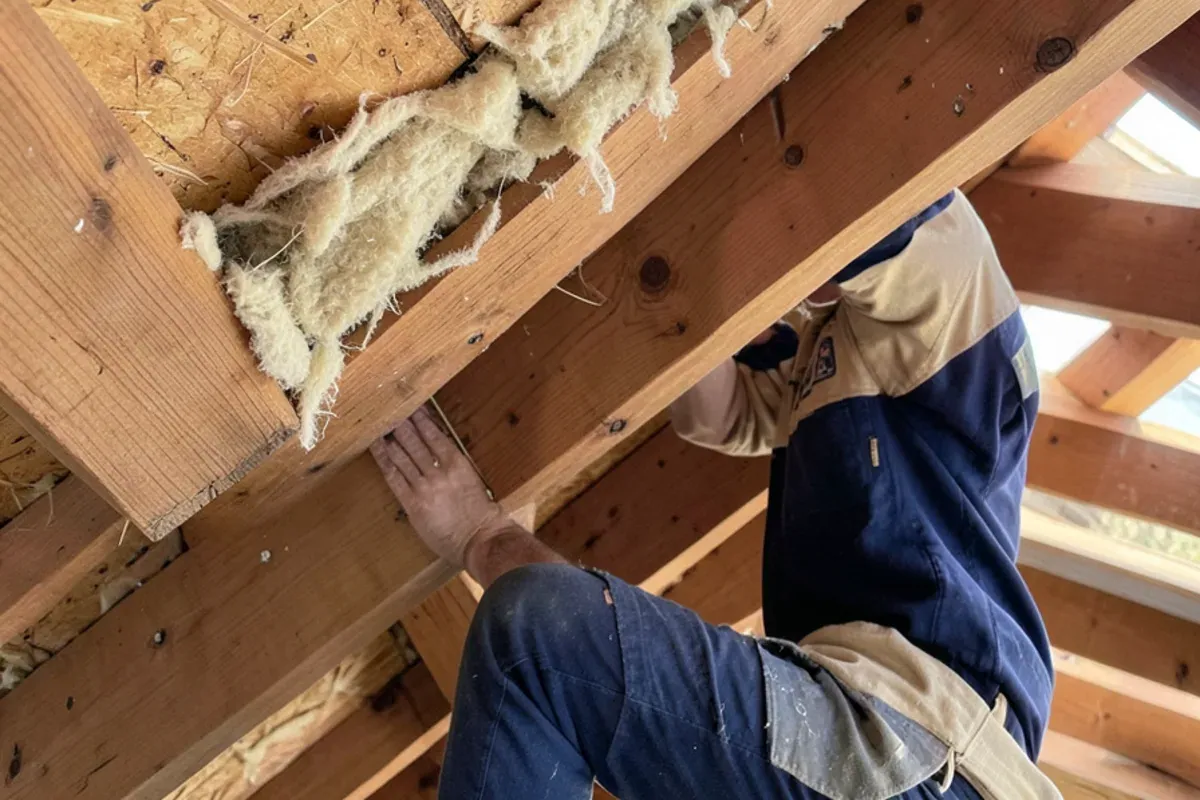
Both can exist in the same attic. In coastal Torrance, cool damp mornings meet warm indoor air from showers and cooking. A bathroom fan that ends inside the attic instead of outside is a common culprit. If you find one, the duct needs a proper termination at the roof or wall.
How do you check your own attic?
Do this on a dry, mild morning, with a flashlight, and do not step off the joists.
- Look at the eaves. Is the intake slot open, or buried in insulation?
- Look at the underside of the roof deck for dark stains or rusty nail tips.
- Check the insulation near the eaves for flattened, damp or discolored patches.
- Count the exhaust vents. Do you see a ridge vent, box vents or gable louvers?
- From the ground, look for soffit vents and note if any are painted over.
If the intake is blocked or there is no exhaust at all, the system is not moving air.
Intake and exhaust: why balance matters
A common code guideline is one square foot of net free vent area for every 150 square feet of attic floor, with the area split between low and high. Some codes allow one in 300 under certain conditions. Confirm what applies to your address with the city. In Torrance, Building & Safety is at (310) 618-5910.
| Problem | Result |
|---|---|
| Exhaust only, no intake | The ridge vent has nothing to pull and the attic stays hot |
| Intake only, no exhaust | Air stalls and heat stays under the roof |
| Mixed vent types | Short-circuiting, with air bypassing the attic |
| Blocked soffit | Moisture and heat build at the eaves |
Which vent types move air, and how do they compare?
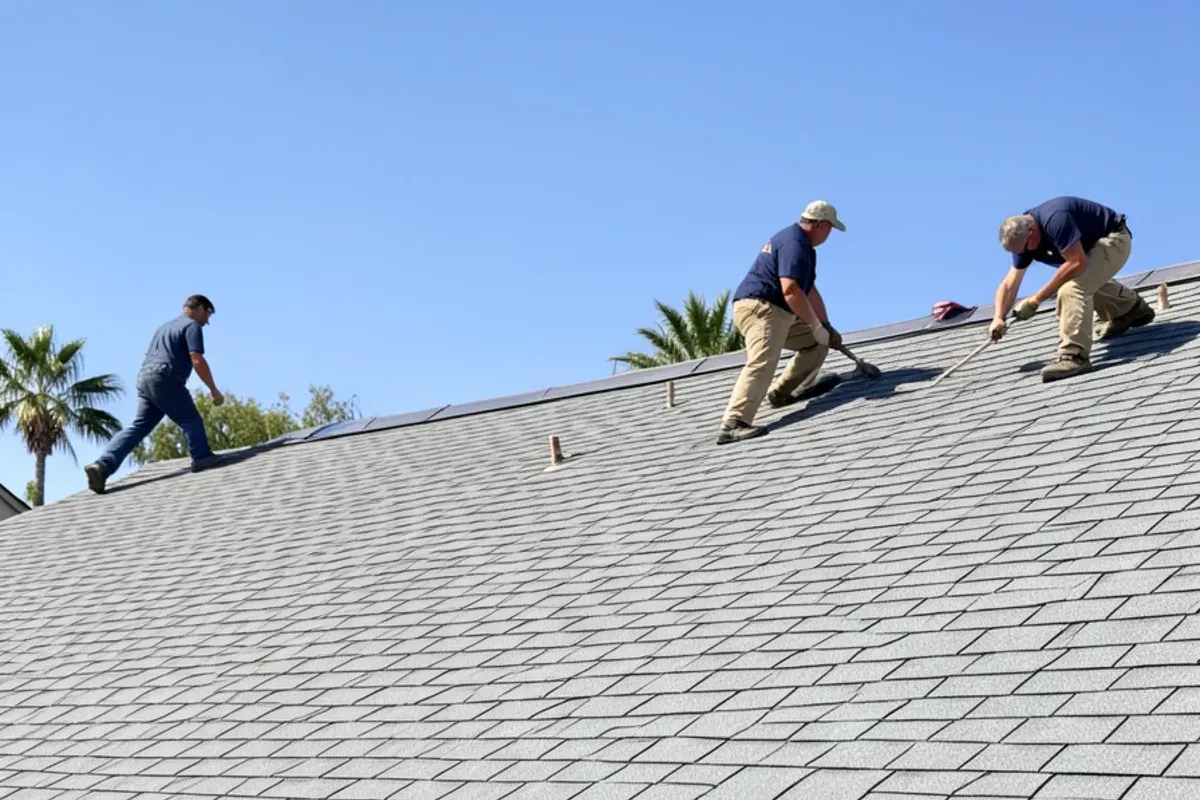
Attic vents are not interchangeable, and mixing them can cause problems.
| Vent type | Where it sits | Notes |
|---|---|---|
| Continuous ridge vent | Along the ridge | Quiet and low profile, works with open soffit intake |
| Box or static vent | Near the ridge on the slope | Several are needed, can pull against a ridge vent if both are used |
| Turbine (whirlybird) | Slope or ridge | Needs wind to spin, can squeak and fail with age |
| Gable vent | End wall | Works best with the wind, can short-circuit other vents |
| Powered attic fan | Slope or gable | Needs enough intake, runs on electricity |
| Soffit vent | Under the eaves | The intake, often blocked or painted over |
Pick one type of exhaust for a roof and size the soffit intake to match. A roof with a ridge vent plus box vents plus gable louvers is often moving air from vent to vent instead of through the attic.
Why do baffles and insulation matter at the eaves?
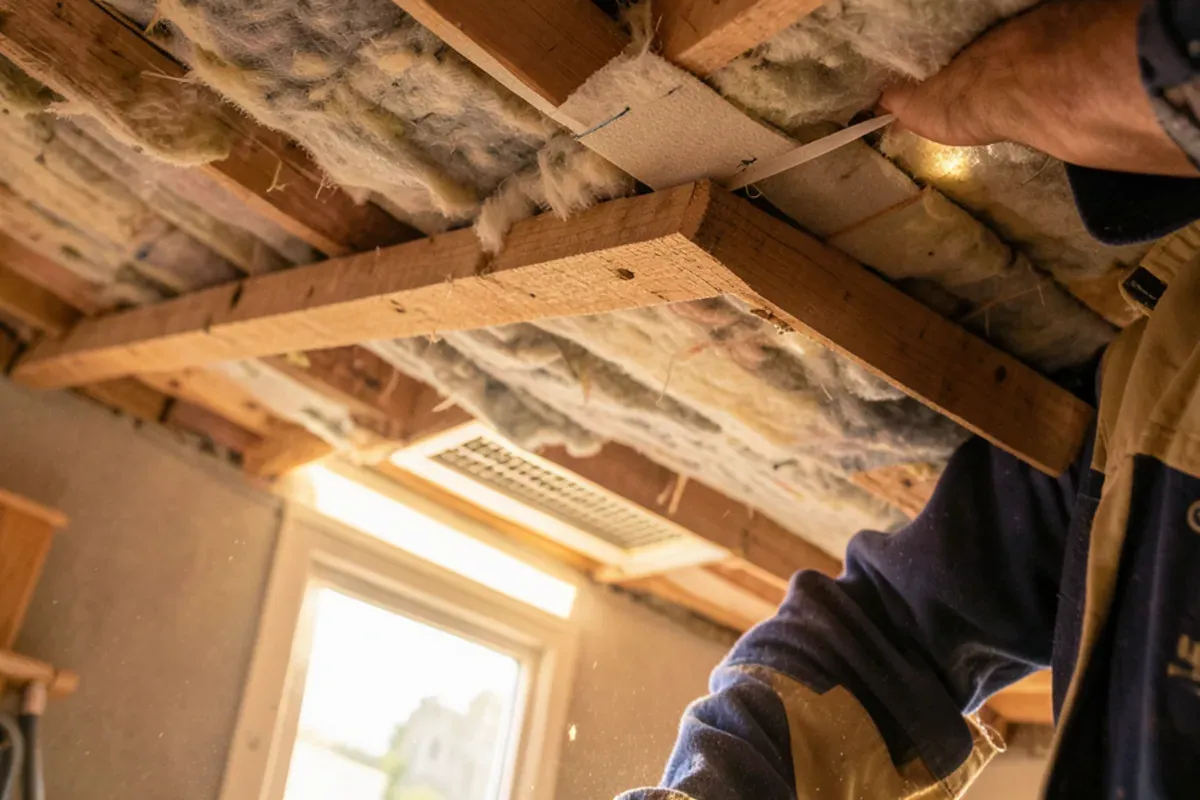
Many mid-century attics were insulated years after they were built, and the new insulation was pushed right to the eaves. That buries the soffit vent. Rafter baffles, thin foam or cardboard channels fitted between rafters, hold the insulation back and keep a path open for air to enter. If you add insulation, ask that baffles go in first. Our attic insulation page covers insulation work, and the two projects are best planned together.
What roofers tell customers about attic heat
- Start in the attic. The deck and framing tell the story the shingles cannot.
- Look for the cause of curling. Shingle wear from heat looks different from wear by age or by wind, and we show photos so you can see.
- Fix the intake before adding exhaust. More vents on top do not help if the eaves are blocked.
- Think about the whole roof. One Google reviewer described a project covering new shingles, gutters, flashing work and ventilation set up for the warm California weather. Ventilation is usually considered at the same time as other roof work.
Another Google reviewer said a roofer went up into the attic, took photos and found the problem right away. That is the best way to see it.
We explain repair and replacement options in plain terms, and a repair comes first when a repair will do.
Getting an attic ventilation check
Spend ten minutes in the attic on a mild morning, take photos of the eaves, the deck and the vents, and note which rooms run hot. A free roof inspection from a local roofing contractor in Torrance can check intake, exhaust and insulation together and tell you whether a vent upgrade, cleared soffits or no change at all is the right answer.