

By the Crown Trim Roofers team · Published · Updated
A denial feels final, but it is often a starting point for questions. Some are answered by paperwork, some by a better record of the damage, and some by a regulator. Our roof insurance claims page and emergency roof repair section describe what we do on the roofing side, and this article covers what usually happens after a no or a low number.
Why do roof claims get denied or underpaid?
Insurers commonly cite a few reasons:
- Wear and tear or age. They attribute the damage to gradual deterioration instead of a sudden event.
- No covered cause found. The adjuster did not see storm damage on the roof.
- Damage below the deductible. The estimated covered repair costs less than your deductible.
- Scope differences. The insurer agrees there is damage but pays for a smaller repair than you were quoted, for example repair of a slope rather than the whole roof.
- Late notice or missing information. The policy expected earlier notice, or documents are still outstanding.
Each of these points to different evidence. A scope disagreement is a different problem from a cause disagreement, and the response is different too.
What should you do first after a denial?
- Read the letter and the cited policy language. A denial should say why, and it should refer to what in the policy applies. California's claims regulations set standards for written denials, which the California Department of Insurance explains at insurance.ca.gov.
- Ask for what the insurer relied on. Request the adjuster's report, photos and any engineer's findings.
- Note the dates. Policies and laws set time limits for disputes. Check them soon, and do not guess.
- Gather your own record. Dated photos, repair invoices, weather information, attic photos and any earlier inspection reports.
What must a written denial say under California rules?
Under California's claims regulations (Title 10, Section 2695.7), a denial of all or part of a claim has to be in writing. It has to give the specific reasons and refer to the policy provisions or facts behind them. It also has to tell you that if you believe the claim was wrongly denied, you can have the matter reviewed by the California Department of Insurance. Insurers generally must accept or deny a claim within 40 calendar days after proof of claim, or explain in writing why they need more time.
Hold your letter up against that list. A vague line such as damage not covered is a reason to ask for the exact policy language. A missing review notice is worth mentioning to the Department. Confirm the current rules at insurance.ca.gov, because regulations get amended.
How do you ask for a re-inspection or a second adjuster?
Write to the insurer, not only call. Reference the claim number, name the specific areas of disagreement, attach photos and ask for reinspection or reconsideration. If a roofer has documented the roof, include that report. Keep the tone factual. It helps to attach a short list of exactly what changed between your evidence and the denial reason.
Whether an insurer agrees to a second visit is its decision. Some policies also contain an appraisal clause for disagreements over the amount of a loss. Read yours, or ask the California Department of Insurance how such clauses work.
What can a roofer add to the evidence?
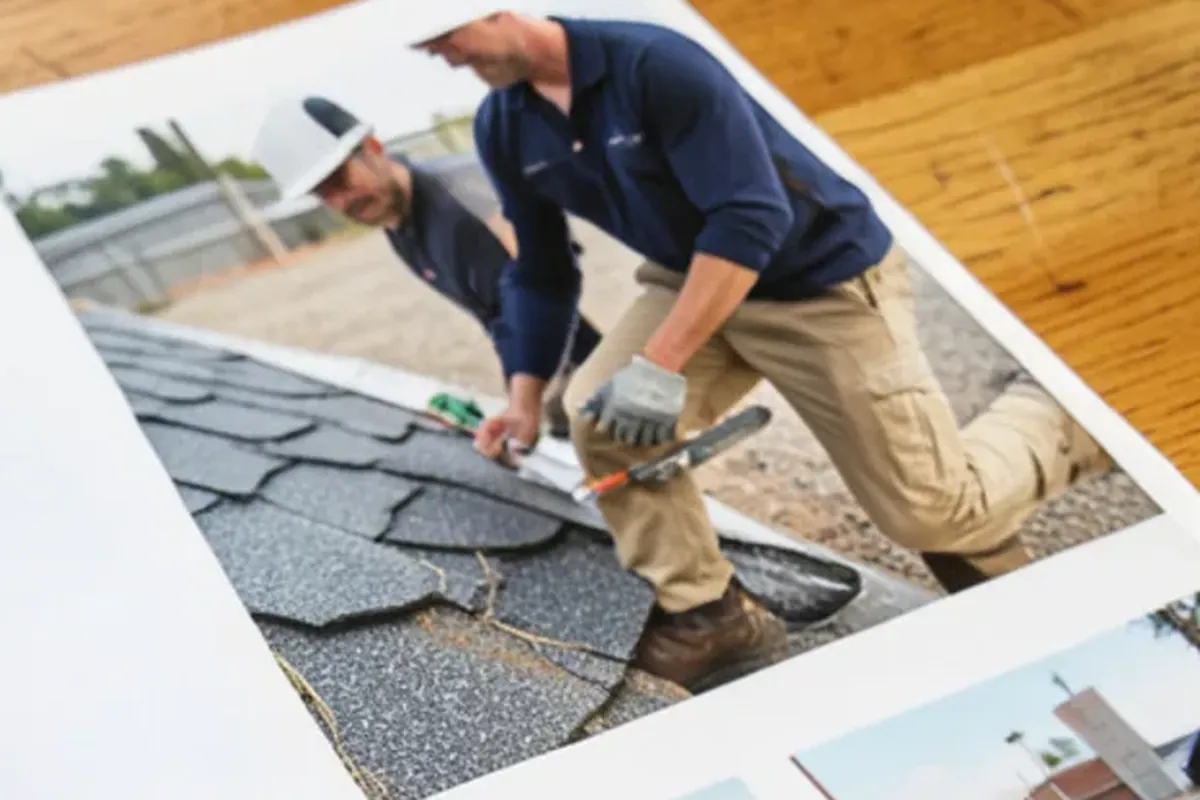
This is the part we handle, and the part we stay out of. We document the roof with photos, explain what we see in plain terms, and can be on site for the adjuster's inspection. One Google reviewer said the roofer was there during the insurance inspection so all the roof damage and exterior issues were noted. We do not negotiate claims, advise on coverage or act as an adjuster. The homeowner pays the deductible, and we do not waive or absorb it.
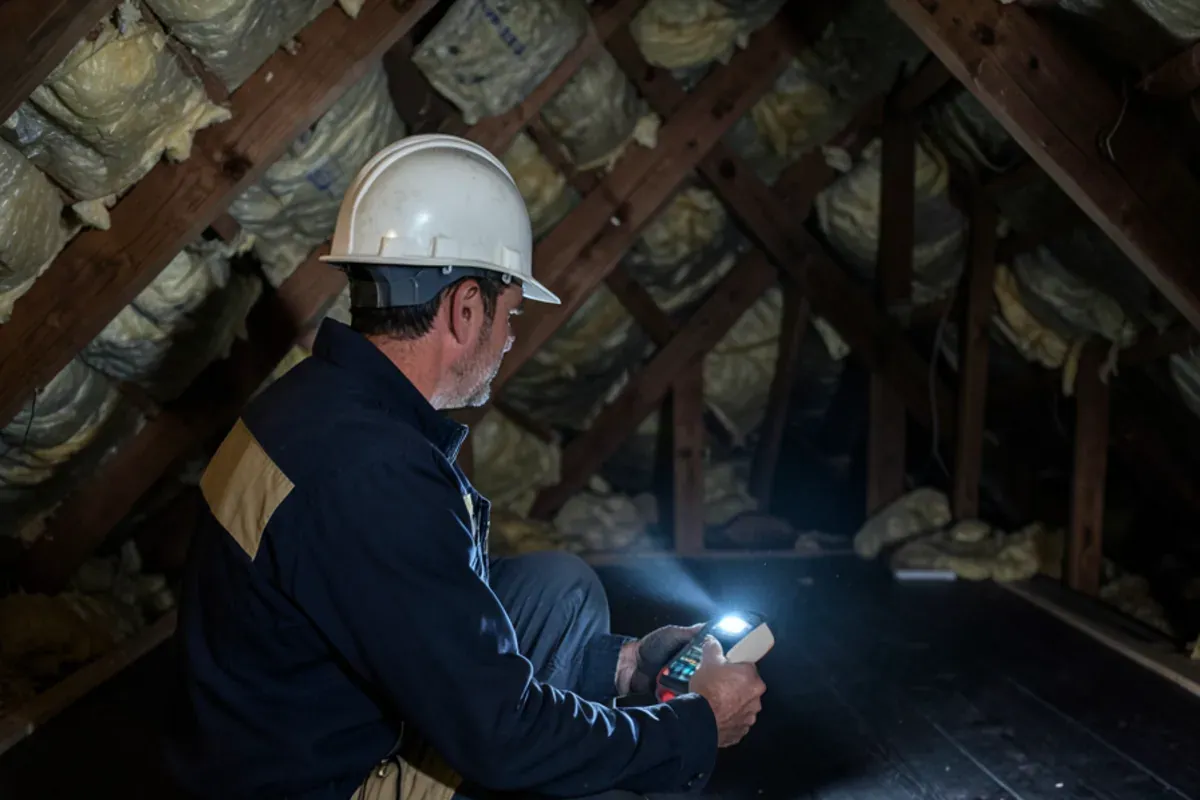
In practice, what we check can help show cause. We look at fasteners, shingle creasing patterns, displaced tile, flashing and vent boots, then go into the attic to look at decking, staining and insulation. An old leak and a storm leak read differently. Our job is to tell you which one it looks like, even if the answer is not the one you hoped for.
Who else can help with an underpaid roof claim?
- The California Department of Insurance. It reviews consumer complaints and publishes guidance on your rights. Its page at insurance.ca.gov lists how to file.
- A public adjuster. This is a licensed professional who can negotiate for you, for a fee. Verify the license with the Department before signing, and read the contract carefully.
- An attorney. For disputes over a policy's meaning, a lawyer who handles insurance matters can explain your position.
Check any roofer's license on the CSLB site as well, whether the claim goes forward or not.
How does a complaint to the California Department of Insurance work?
A complaint asks the Department to look at how the insurer handled the claim. It does not guarantee a particular outcome, and it runs separately from any repair work. The usual steps look like this:
- Gather the file. Policy, declarations page, claim number, denial letter, the adjuster's report if you have it, photos and every dated email or letter.
- Write a short summary. List dates, what you asked for and what the insurer said, with the policy sections you believe apply.
- File with the Department. Use the consumer complaint form at insurance.ca.gov, or call the consumer hotline at 1-800-927-4357 and ask how to submit it.
- Attach copies, not originals. Keep the originals in your folder.
- Keep records of replies. Note each response and date, and answer any request for more information promptly.

What if the claim was paid, but not enough?
An underpaid roof claim is common enough to deserve its own plan. Start by lining up the insurer's scope against a roofer's itemized estimate, line by line. Gaps usually fall in a few places: a smaller repair area than the damage requires, missing flashing or vent items, no allowance for decking that is found soft once the old roof is off, or code-related work such as permits.
If new damage turns up during the work, tell the insurer promptly and document it with photos before it is covered up. Many claims allow supplements for hidden damage found during repair. Ask your insurer how it handles them, and get the answer in writing. We photograph what we find as the roof is opened, which gives you the record.
If the claim stays denied
You still have a roof to fix. A good estimate lays out repair and replacement options and what each protects. We start with a repair when a repair will do. As a roofing contractor in Torrance, we offer free estimates and free roof inspections, and ask about financing at your estimate if the cost is a concern. Bring the denial letter if it helps us see what was missed.