
By the Crown Trim Roofers team · Published · Updated
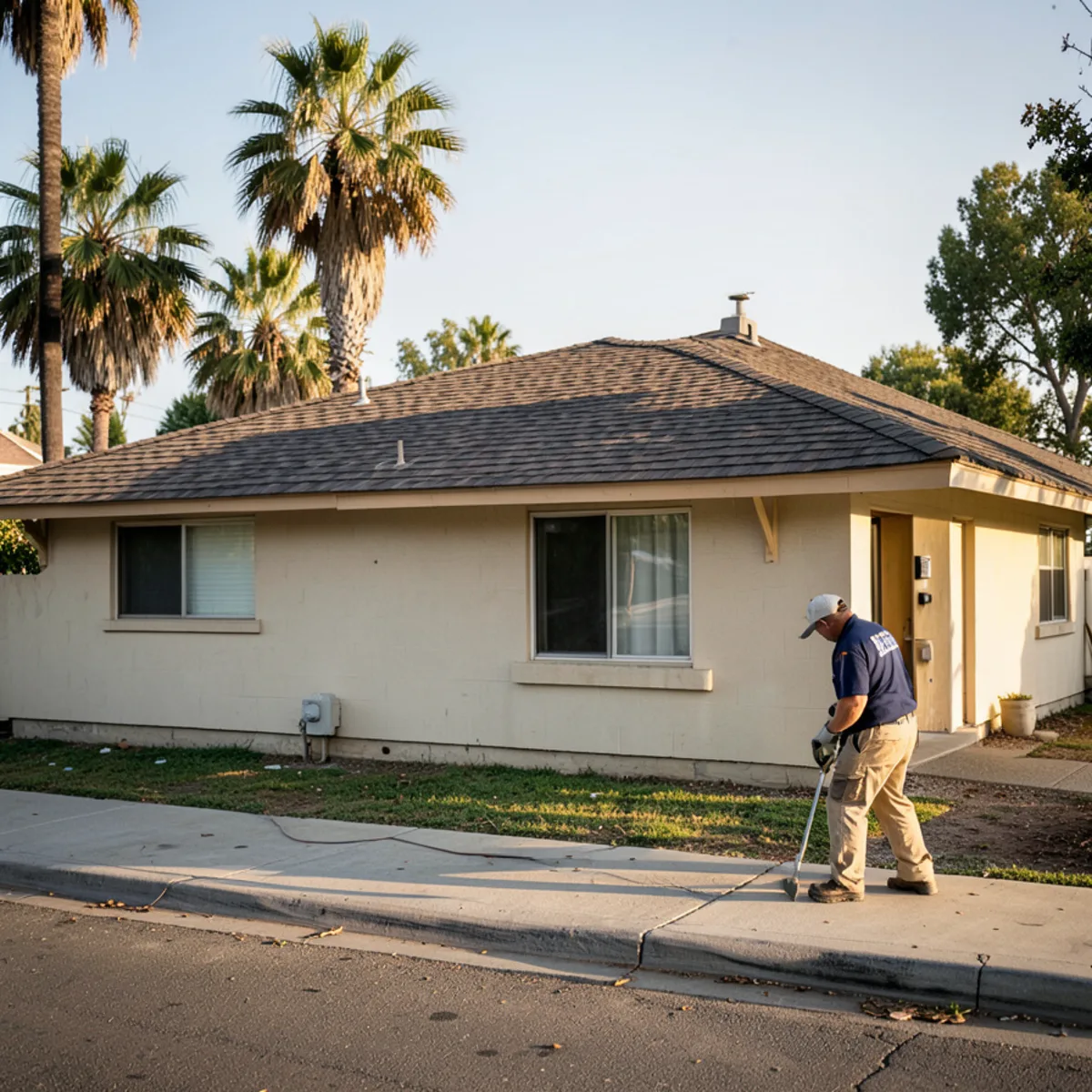
Torrance filled in fast after the war. The city's own history says Southwood Homes went up on about 700 acres of former farmland and oil wells, and that one developer built most of the houses of the 1950s and 60s. The Census puts the median Torrance home at 1964. A roof from that era has usually been replaced at least once already, so the second or third covering is the one coming off today. Our older home roof replacement page covers the service. This post covers what we expect underneath.
What do crews find under an old Torrance roof?
The surprises fall into a few groups. Not every house has all of them.
- Extra layers. Previous owners often added a new covering over the old one to save a step.
- Aged decking. Sheathing from the 1950s and 60s may be thin, stained or loosely nailed.
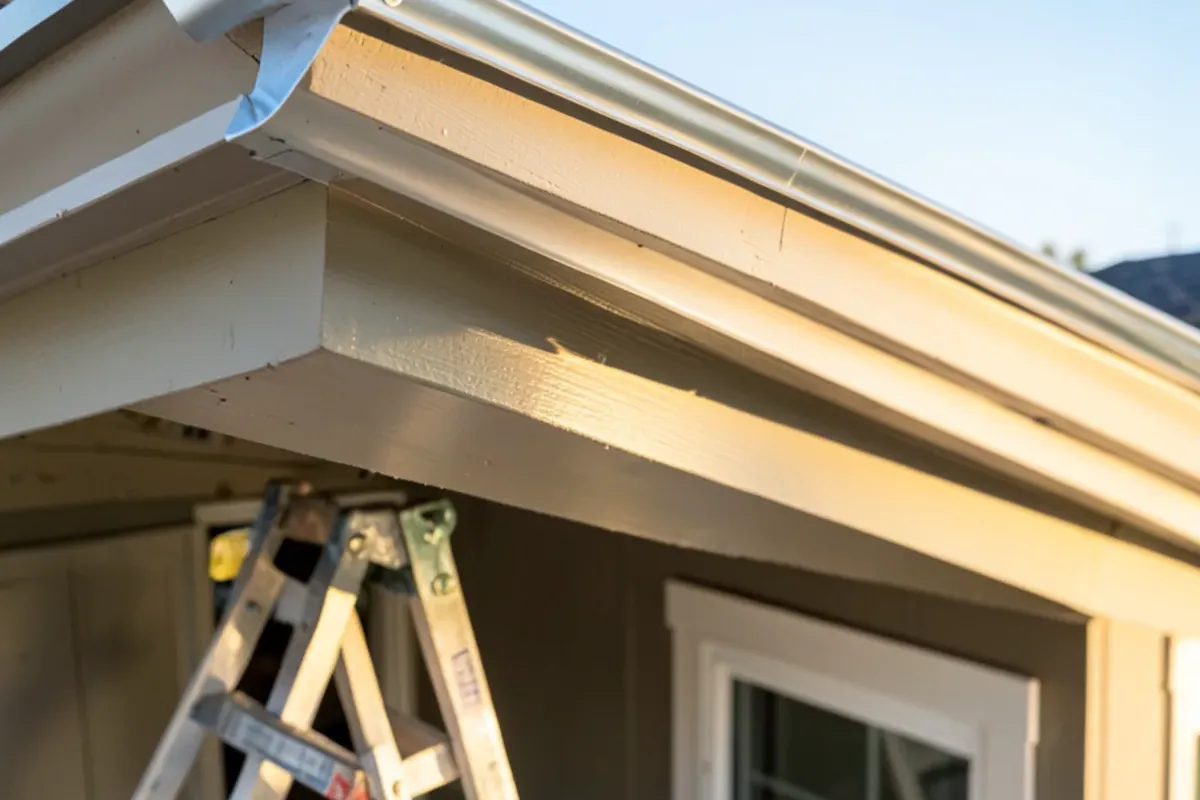
- Short eaves and tight edges. Many tract homes have small overhangs, so edge details carry more of the load.
- Old flashing and vent pipes. Chimney flashing, plumbing collars and wall junctions have usually been patched over the years.
- Rot along the edge. One Google reviewer described a shingle line left too short near the edge that exposed the wood and rotted a long section of fascia board.
None of this is unusual. It is just hidden until the old roofing comes up.
Which Torrance neighborhoods fit the postwar pattern?
The city's history says Torrance grew from some 20,000 people to more than 100,000 in the 1950s, and tracts of 200 to 500 homes went up almost in an assembly line. Southwood is one example. Hollywood Riviera filled in during the same decade on streets laid out earlier. Wilson Development, which the city credits with most of the houses of the 1950s and 1960s, opened Southwood Riviera Royale near Anza Avenue and Calle Mayor in 1962.
We do not claim past jobs in any of these tracts. The point is practical: if your street was built in this window, the roof you have is probably the second or third covering on original framing.
Why do multiple roof layers matter?
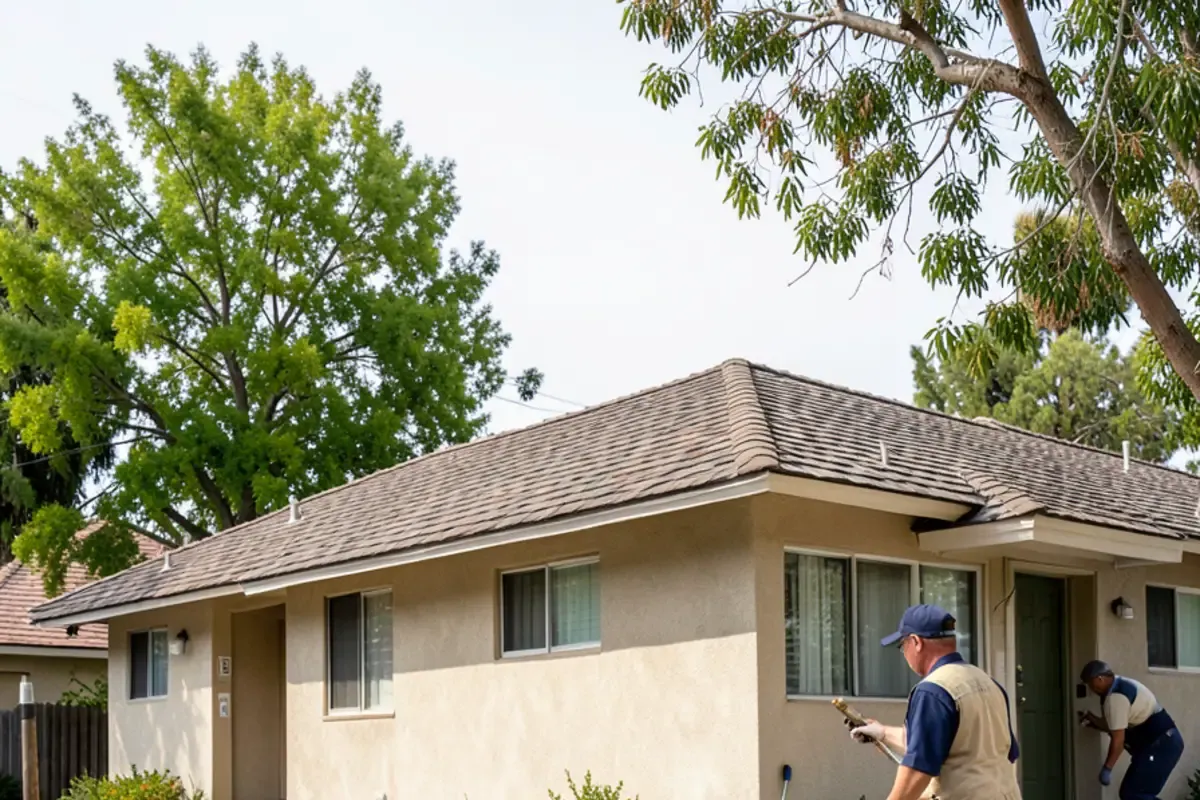
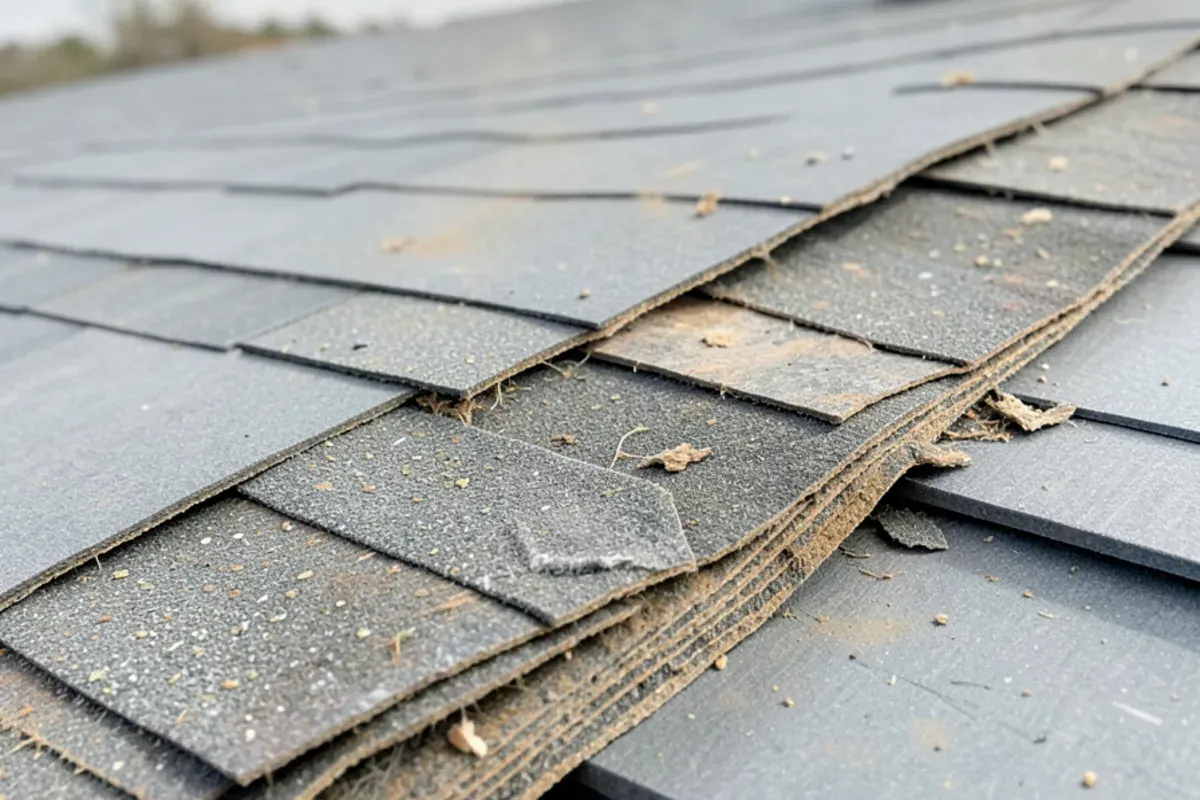
Layers add weight and hide problems. Under the building code, a replacement is meant to remove existing layers of roof covering down to the deck, with a short list of exceptions. A recover is not allowed once the roof already has two applications of any covering. That means a house that has been covered over before often needs the full tear-off, and the budget should assume it.
Layers also trap heat and hold moisture against the deck. When we lift a stack, we count the layers and photograph the deck so you see the same thing the inspector sees. Our roof tear-off page explains how that stage works.
Is old roof sheathing still good?
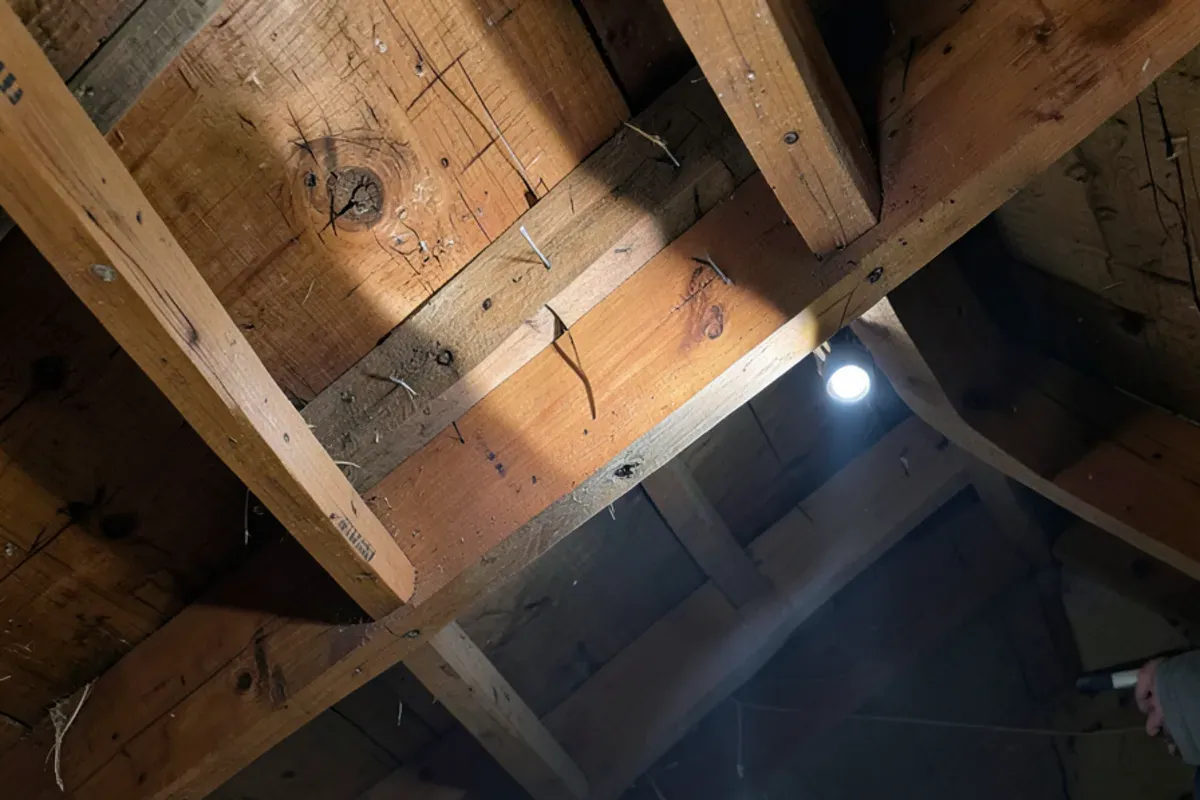
Sometimes, and it depends on how it was installed and what has leaked. Decking from this era can be solid boards, thinner plywood, or spaced boards meant for a different roofing type. It can look fine from above and be soft underneath. A few things tell us a lot:
- Dark stains or soft spots near vents, chimneys and valleys.
- Sag between rafters.
- Nails that backed out, which show up as bumps under the old shingles.
- Gaps between boards where the roofing was nailed.
New roofing needs something solid to hold fasteners. Decking that fails the check gets replaced before underlayment goes down. One Google reviewer described a roofer who found soft areas in the wood from moisture and explained everything in simple terms. That is the conversation we try to have, with photos in hand.
What does the scope look like on a postwar house?
Old houses price in line items, because nobody knows what is under the shingles until they come off. These are the lines worth asking about:
| Line item | Why it shows up on a 1950s house |
|---|---|
| Tear-off of extra layers | A prior recover is common, and each layer adds labor and disposal. |
| Replaced deck boards or sheets | Stains, soft spots and loose nailing turn up near vents and valleys. |
| Drip edge and fascia | Short eaves leave the roof edge exposed to runoff and wind. |
| Flashing, collars and boots | Original pieces are usually patched, rusted or sealed with old tar. |
| Attic ventilation | Intake and exhaust may be small or blocked, and the code expects proper venting. |
Each line should have a plain description and a photo. A price that rolls all of them into one number tells you little.
Should you worry about asbestos in a 1950s roof?
It is a fair question. Some roofing, flashing cement and felt products made before the 1980s contained asbestos, and a visual check cannot tell. If you are concerned, ask your contractor how they handle suspect material, and ask the South Coast Air Quality Management District or the city what is required for your project. Testing a sample is the way to know. Do not cut or grind old roofing yourself.
What should you plan for in an old Torrance home roof replacement?
A short plan goes a long way:
- Expect a bare deck inspection. The city's inspection, if required, happens when the deck is exposed. Our Torrance re-roof permit guide explains the typical stops.
- Budget for some decking. Treat it as a likely line item, not a shock.
- Plan the edges. Short eaves mean the drip edge, fascia and gutter line deserve attention.
- Update the small parts. New flashing, vent collars and pipe boots belong in the scope, since reusing old ones undermines the new roof.
- Choose material before the crew arrives. We bring shingle samples to your estimate so you can compare color and style.
When is the best time of year for an old-house re-roof?
The dry months. Torrance's 1991-2020 normals show about 0.49 inches of rain in October and 0.80 in November, then 2.24 in December, 3.36 in January and 3.66 in February. Tear-off exposes a 60-year-old deck, and you want it closed in before the wet stretch. The numbers are averages, and an early storm can arrive in any year.
Plan the deck inspection, material choice and permit while the weather is dry, so the crew is not racing a forecast. Our roof replacement overview lists the options, and the new roof installation page covers the steps after tear-off.
What roofers tell customers about old homes
This is what we check and what we say on a postwar house:
- We look at the attic as well as the roof, because stains and dark nails show the story from below.
- We tell you when a repair will do. A roof with a few bad spots does not always need a full replacement, and we do not push one.
- We explain which findings are urgent and which can wait for the next budget cycle.
- We protect landscaping and driveways, since tract lots are small and the yard is close to the work.
- We clean up thoroughly, because old roofing leaves nails and debris everywhere.
Getting a post-war Torrance roof inspected
If your house dates to the 1950s or 60s and you do not know how many layers sit on it, ask for a look before you shop for materials. Crown Trim Roofers offers free roof inspections and free estimates, and we show you photos of what we find. For the full list of options, start from our roof replacement overview.
Sources
- City of Torrance: 1950s, Torrance Thrives After the War
- US Census Bureau: Torrance city, California
- California Residential Code, Section R908 Reroofing
- South Coast Air Quality Management District
- City of Torrance: 1960s, Torrance Grows as Residential, Retail Hub
- Los Angeles Almanac: Torrance monthly normal rainfall
- City of Rancho Palos Verdes: Reroofing handout