
By the Crown Trim Roofers team · Published · Updated
Most roof failures start small: a lifted shingle, a dried-out vent collar, a gutter that quit draining. A yearly check catches them while they are cheap. Our roof inspection and maintenance hub lists every upkeep service, and the roof inspection page explains what a professional visit covers.
Most South Bay homes have been through a lot of sun and a few hard storms. The median Torrance home was built in 1964, so plenty of roofs here are on their second or third cycle. A checklist keeps you honest about what that roof is doing.
What can you check from the ground?
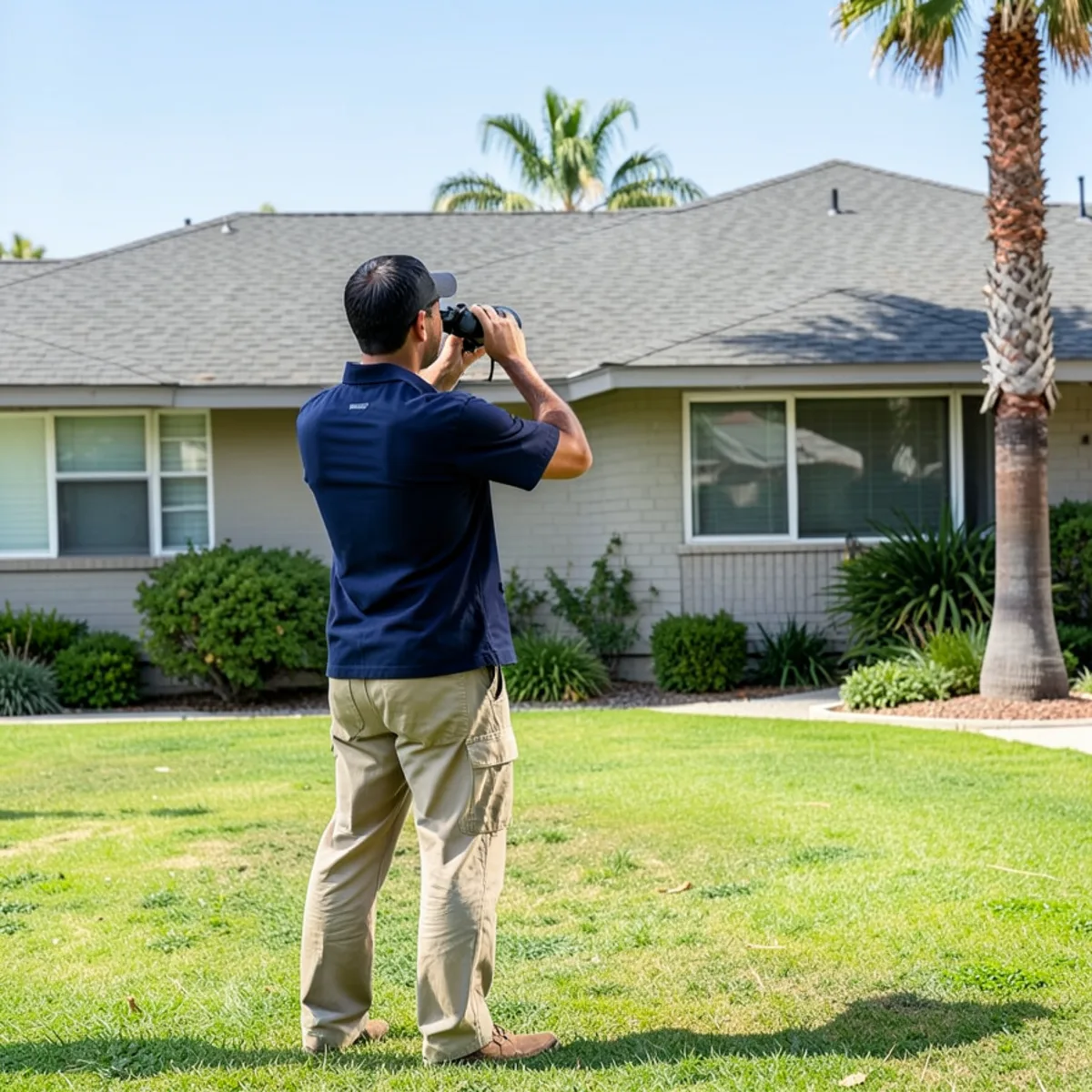
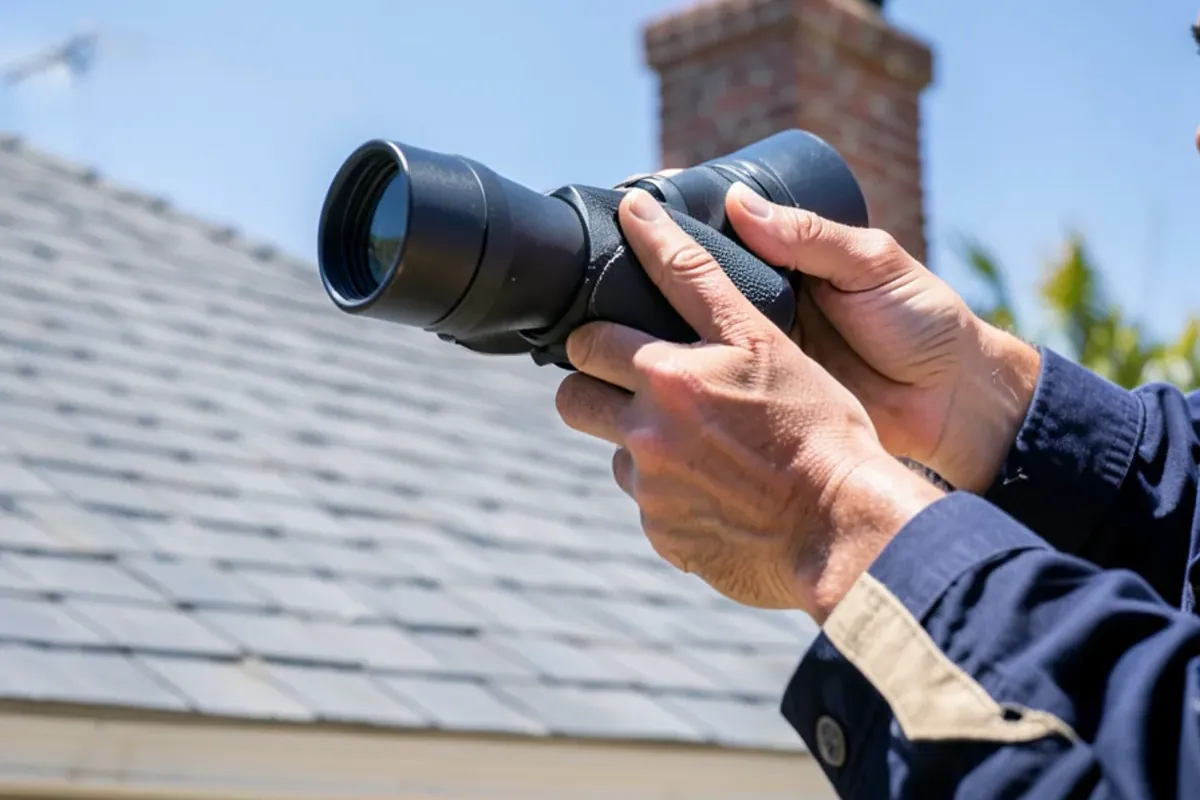
Pick a clear morning and walk the whole perimeter with binoculars. Look at each slope from two angles.
- Shingle condition. Curled or cupped edges, bare patches, missing pieces and dark streaks are all worth a photo.
- Ridge and hip lines. Look for caps that have shifted, cracked or gone uneven.
- Flashing check. Metal around chimneys, skylights and wall joints should lie flat, with no gaps or rusty streaks.
- Vent pipes. The rubber collar around each plumbing vent should not be split or chalky.
- Tiles. On tile roofs, look for slipped, chipped or cracked pieces and for ones sitting at a different angle than their neighbors.
- Gutters and fascia. Look for sagging runs, peeling paint, stains below the gutter line and soft-looking trim.
- Debris. Leaves in valleys, branches resting on the surface and tree limbs that touch the roof all hold moisture.
Take a photo of each slope every year from the same spot. Comparing images is the easiest way to see change.
What should an attic inspection cover?
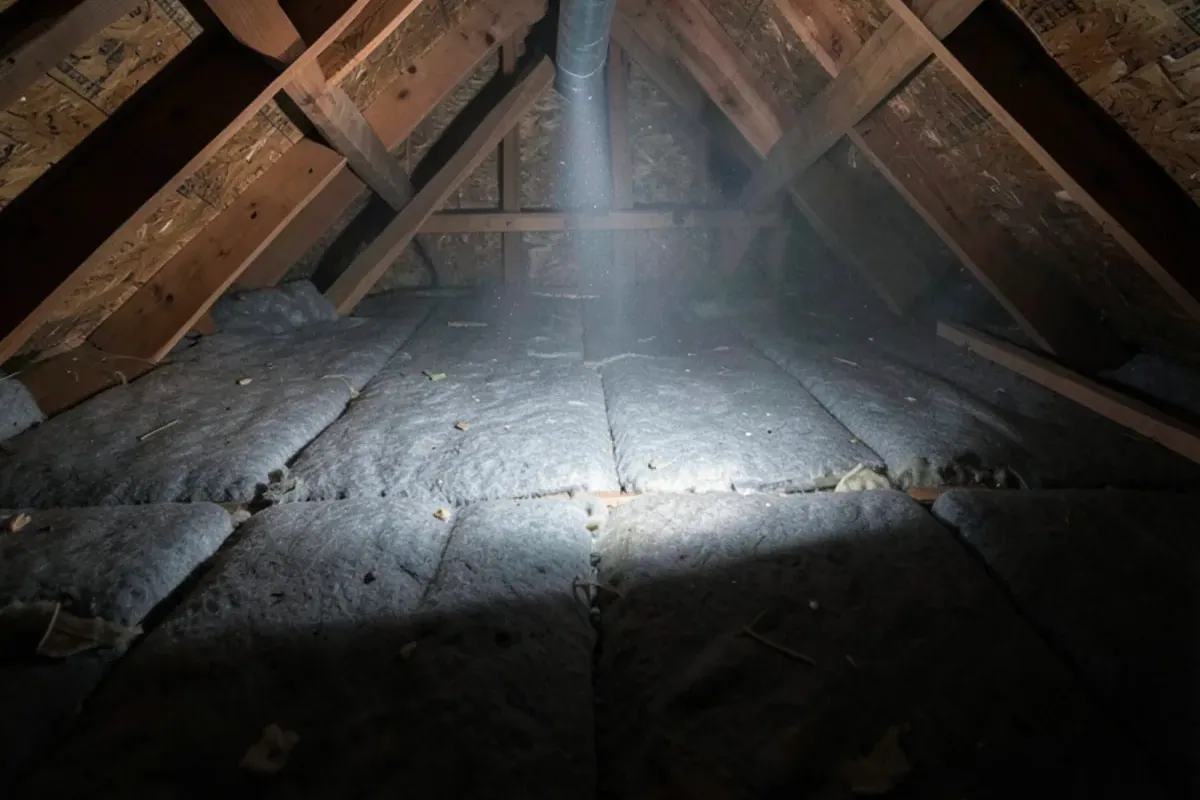
An attic inspection tells you what the roof is doing from underneath, where leaks leave evidence before they reach the ceiling. Go on a cool morning with a flashlight, step only on joists and stay out if the space is cramped or hot.
- Scan the underside of the plywood decking for dark trails, rings or fresh-looking wet spots.
- Check insulation below those spots. Flattened, clumped or stained insulation means water or condensation.
- Look for daylight at the roof surface where there should be none.
- Check around every pipe, chimney and skylight shaft for water marks.
- Feel the air. A stuffy, very hot attic in summer or damp air in winter points to a ventilation problem. Our post on signs of poor attic ventilation covers what to look for.
- Look for droppings, chewed wires or nesting material, which signal animals under the roofline.
One Google reviewer described a roofer checking the attic for problem spots that had started leaking, something they had not seen during an earlier inspection. That is how we work too. The attic often shows what the roof surface hides.
How do you stay safe in the attic?
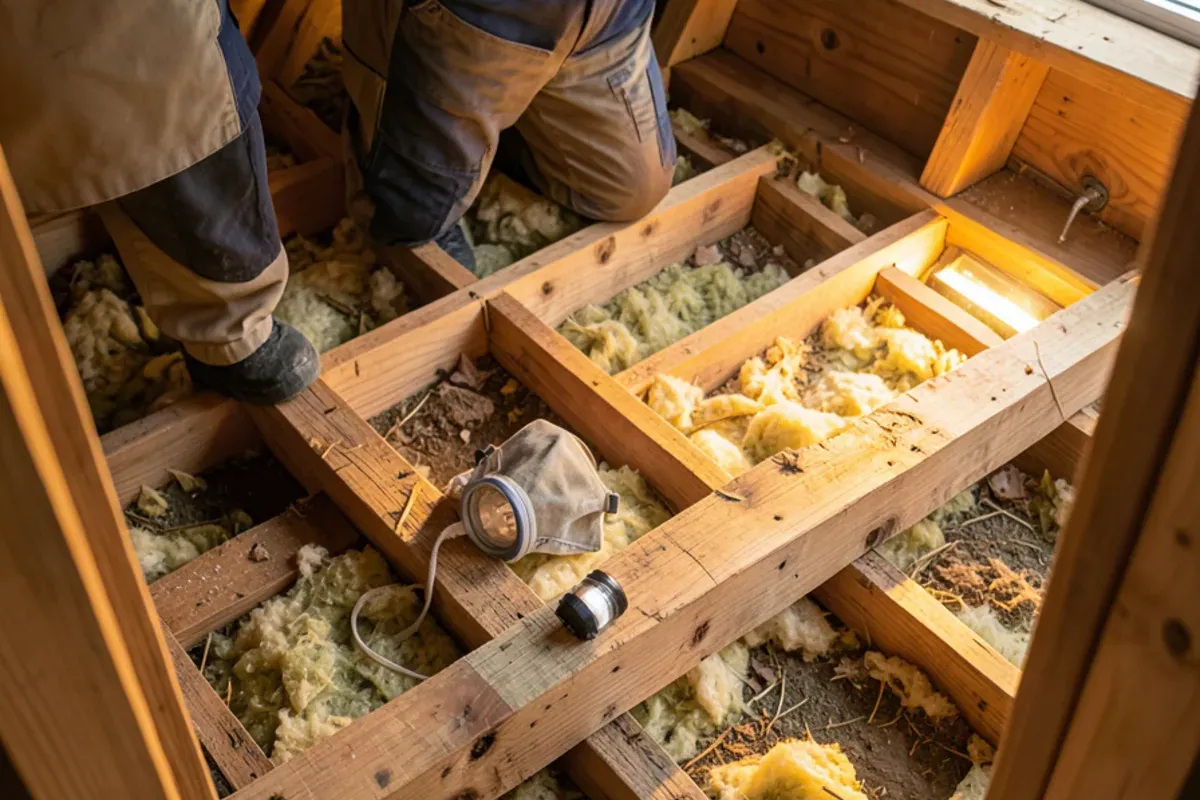
Most Torrance attics are low and hot, and only the joists carry weight. The drywall between them will not hold you. Lay a sheet of plywood or a long plank across two or three joists and kneel on it instead of stepping from beam to beam. Wear a dust mask and gloves, because old fiberglass and dust irritate lungs and skin. Do the check before ten in the morning in summer, when the space is coolest. If you cannot reach a corner without leaning on the ceiling below, skip that corner and note it for the professional visit. A flashlight and your phone camera cover the rest.
What should you look at inside the house?
Walk each room with the lights off and a flashlight held at a low angle against the ceiling. That angle exposes faint stains and texture changes. Check corners where walls meet the ceiling, the area around skylights and around any fireplace. If you find a stain, our guide to a ceiling stain after rain explains how to tell a live leak from an old one.
How should you keep a record of each roof check?
A record is what turns a checklist into a maintenance plan. A roof rarely fails overnight. It wears a little each year, and a dated record shows the rate. Keep it simple:
- Photos from fixed spots. Shoot each slope from the same corner of the yard each fall, with the date in the file name.
- A short note per finding. Write the location, what you saw and whether it is new.
- A pencil outline on any ceiling stain. Add the date. If the stain grows past the line after rain, water is still getting in.
- Receipts and photos from repairs. These help when you sell the house or file an insurance claim, since they show what condition the roof was in and when work was done.

A shared phone album with one folder per year works fine. When you do call a roofer, you can show exactly which flashing or vent looked different last year.
Does the age of your roof change what you look for?
Yes. Typical service lives run from roughly 15 to 30 years for asphalt shingles and 40 to 50 or more for tile, depending on material, installation and exposure, so these are ranges, not promises. Focus the check on what tends to fail at each stage.
| Roof age | What usually needs the closest look |
|---|---|
| Under 10 years | Installation details: nail pops, exposed fasteners, flashing laps, vent collars |
| 10 to 20 years | Sealant, rubber vent collars, granule loss, curling edges, ridge caps |
| Over 20 years | Brittle shingles, widespread curling, underlayment under tile, soft decking, repeated stains |
In a city where 82.3% of homes predate 1980, many roofs are in the last two rows. That is when a yearly record pays off, because you can see a pattern and decide between repair and replacement before an emergency forces it. Our post on repair or replace decisions helps with that call.
When is the best time to inspect a roof in the South Bay?
Early fall works best. Santa Ana winds in autumn can loosen weak spots and drop debris, and rain tends to arrive between November and March. A check in September or October leaves time to repair before the wet months. Torrance gets about 14 inches of rain a year, with February the wettest, so there are only a few months in which a problem will show itself, and it often shows itself at the worst moment.
| Season | What to check |
|---|---|
| Early fall | Full ground, attic and interior walk-through; clear gutters |
| After a storm | Ground view for missing pieces; attic and ceilings for new damp spots |
| Late winter | Look again for stains once the rainy season winds down |
| Early summer | Attic heat and ventilation; sealant and rubber parts baking in the sun |
Our rain prep guide for South Bay roofs pairs well with this list.
What do roofers check that you can't?
This is what we look at, and what we tell customers, on a free inspection:
- The surface up close. Fastener heads, shingle edges, granule wear and hairline cracks need a closer look than binoculars give.
- Flashing and sealant. We press and probe joints at chimneys, walls and skylights, where leaks often start.
- Valleys and penetrations. These collect the most water and debris. Our post on roof valley leaks explains why.
- The deck. Soft or spongy spots feel different underfoot than they look.
We show you photos of what we find and explain repair and replacement options in plain terms. A repair comes first when a repair will do. One Google reviewer said a roofer spent close to 30 minutes inspecting shingles and flashing, then came down and showed clear photos of the damage. That is the standard we aim for.
What happens if the checklist turns up a problem?
Write it down, photograph it and sort it into three groups. Active water, a sagging ceiling or missing pieces call for a prompt visit. Worn sealant, a slipped tile or a loose cap can be scheduled. Cosmetic issues like light staining can wait for your next walk-through. If you are choosing someone to look, you can confirm any roofer's license status on the California Contractors State License Board website. Published 2026 cost guides put typical roof repairs at roughly $300 to $1,500. That is market data, not a quote.
A local roofing contractor in Torrance can take it from there, and the estimate and inspection cost nothing. Do your walk-through this fall, keep your photos and call if anything on the list looks wrong.