
By the Crown Trim Roofers team · Published · Updated
A roof replacement is the project residents notice most and understand least. Boards that handle it well do three things early: they know what the reserve study says, they write one clear scope, and they tell residents what is coming. Our apartment and HOA roofing page describes how we work with associations. This guide covers the board's side of the table, and it belongs with our wider commercial roofing library.
What does the reserve study say about your roofs?
Under the Davis-Stirling Act, California Civil Code section 5550 requires most associations to prepare a reserve study that lists major components the association maintains, their estimated remaining life and their replacement cost. The same section calls for a visual inspection of accessible components at least once every three years, and boards are expected to review the study each year. Roofs are among the largest line items on nearly every one.
Read the roof entry before you read any proposal. Check the assumed life, the assumed material and the assumed cost. If the study was written years ago for a different material or before recent cost swings, the real project may not match the reserve line. Better to learn that now than at a special assessment meeting.
Look at the funding side of the same study. The reserve funding plan shows whether the account is on track to cover the roof when it comes due. If the percent funded is low, the board has a few paths: raise regular assessments over time, borrow, phase the work, or levy a special assessment. Each has rules and trade-offs, and the next section covers the main limit. Ask your attorney or reserve specialist what the Act requires for your association, including any disclosure and member-approval rules before assessments rise.
How do boards pay for a roof when reserves fall short?
Start with the reserve account, then look at the gap. Under Civil Code section 5605, the board generally cannot levy special assessments that total more than 5 percent of the association's budgeted gross expenses for the fiscal year without approval from the members, and the code carves out exceptions such as emergencies. Subdivision details and approval thresholds are easy to misread, so treat this as a signpost and have your attorney confirm what applies to your association and your documents.
Practical options to discuss with counsel and your management company:
- Phase the work over two or more fiscal years to spread the cost.
- Adjust regular assessments on a planned schedule, with the notice the Act requires.
- Borrow. Some associations finance a major project. Loan terms and any member approval depend on your documents, so get legal advice first.
- Repair now, replace later. If the roofs have life left, targeted repairs may buy time to rebuild reserves. A free roof inspection helps the board judge that honestly.
We can discuss financing options at the estimate stage, but the legal side of funding belongs with your attorney.
Is the roof the HOA's responsibility or the owner's?
Condo roof responsibility turns on your CC&Rs and condominium plan, not on habit. Many condominium buildings have roofs that are common area and the association repairs and replaces them. Some planned developments and townhome communities assign roofs to owners, with the association controlling appearance. Mixed arrangements exist too, such as the association owning roof structure while owners handle skylights or solar. Settle this first, in writing, with counsel. The answer decides who pays, who hires and who deals with the insurance carrier.
How do you write a scope that makes bids comparable?
Boards often get four proposals that look nothing alike. The fix is a written scope sent to every bidder. Include:
- Roof type and layers. Number of existing layers to remove, material to install, color and profile.
- Underlayment and flashing. What goes under the roofing and which flashing metals are replaced rather than reused.
- Deck repair. A unit price for replacing plywood or sheathing, since no one can see rot until the old roof is off.
- Ventilation, vents and penetrations. New pipe flashings, vents and any attic ventilation change.
- Gutters, fascia and trim. Replace, repair or reuse, building by building.
- Permits and inspections. Who pulls the permit and who is present at inspections.
- Schedule and phasing. Start window, order of buildings, working hours and cleanup expectations.
- Insurance and licensing paperwork. Proof of license, liability coverage and workers' compensation, which you can check on the California Contractors State License Board site. Our guide on checking a California roofer's CSLB license shows how.
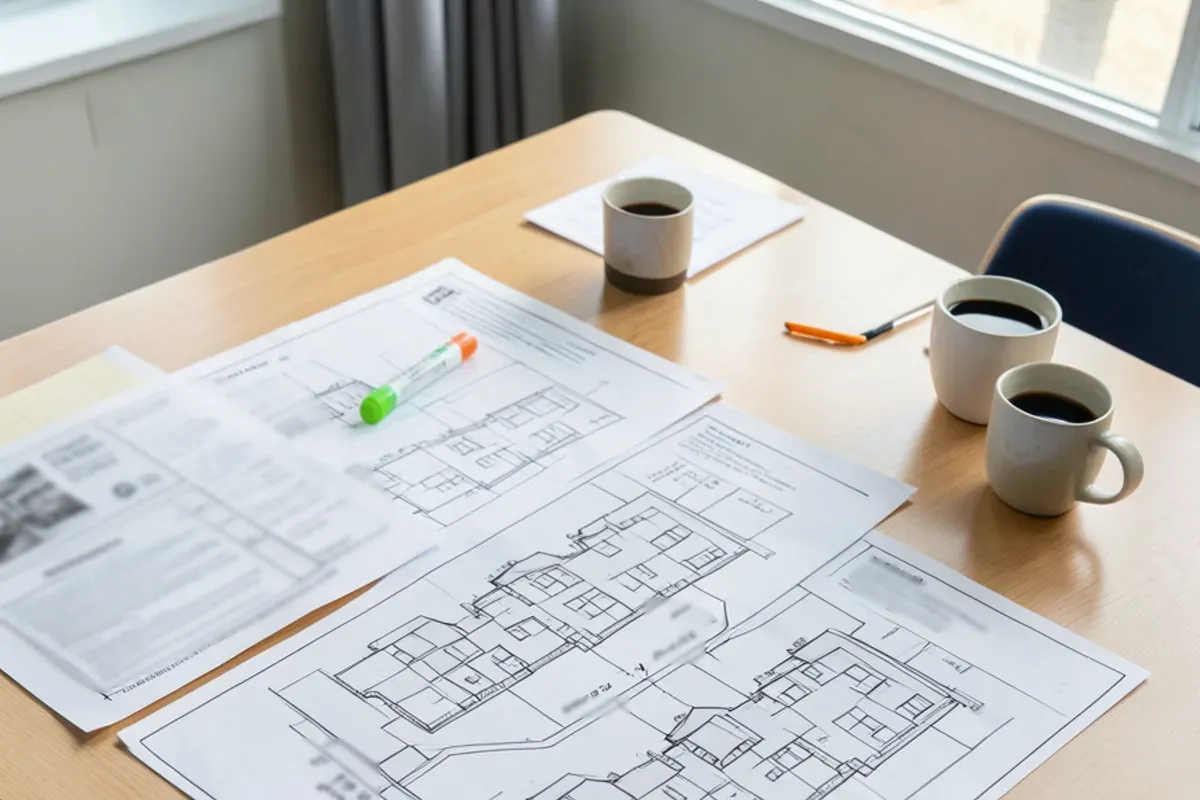
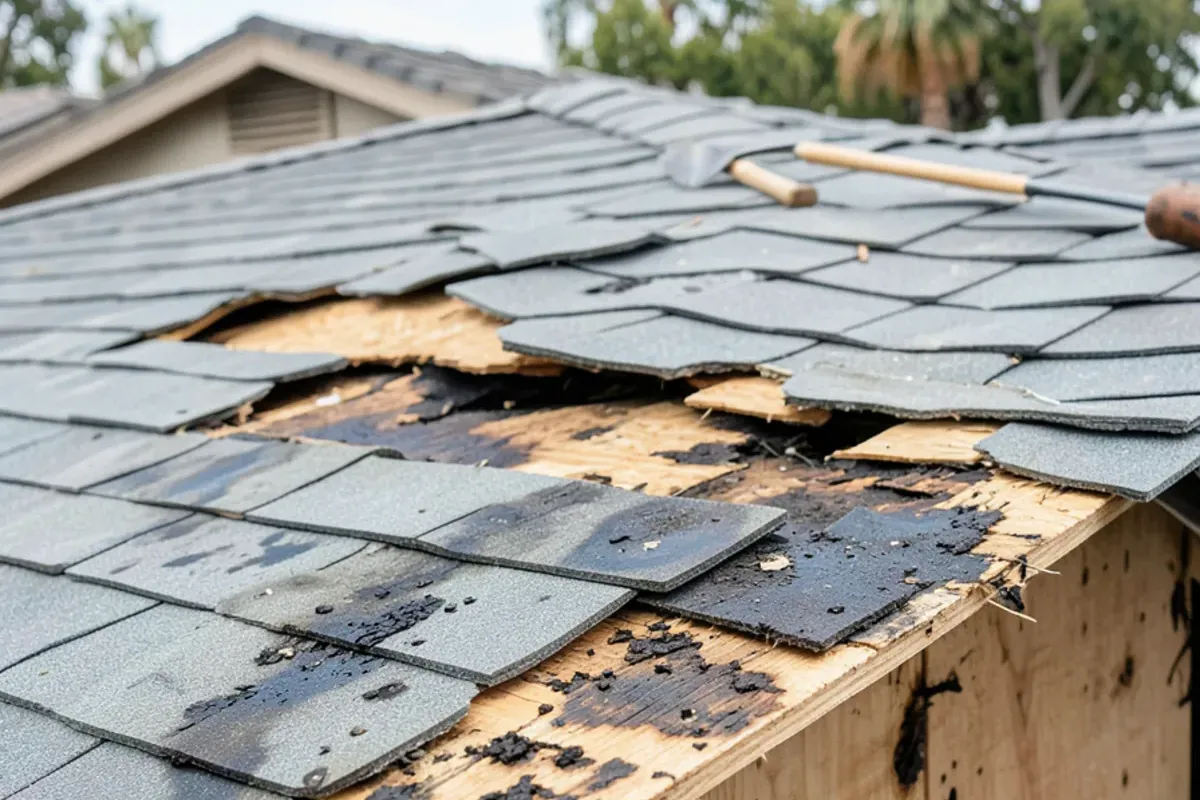
Deck repair deserves its own line in the scope. Old plank or plywood sheathing under a tired roof can hide rot, and no bidder can price it without seeing it. Ask for a unit price per sheet or per square foot of replacement, plus a written process for approving extra work, so a surprise on building six does not become a dispute.
What should the board compare when bids arrive?
Lay the bids side by side in a grid, one row per scope item. Look at what is missing as closely as what is priced. A bid that leaves out deck repair, flashing replacement or cleanup is not cheaper, it is incomplete. Ask each contractor how it handles weather delays, who supervises the site daily and how unforeseen damage is documented and approved. Request photos of what bidders found on the inspection, since they show how closely the roof was examined. Visit a completed roof of similar type if a contractor offers one.
Treat payment terms as part of the comparison. A large deposit or front-loaded schedule is a risk. Ask your attorney to review the contract before the board signs.
Can a community phase its roof replacement?
Yes, and many do. Phased roof replacement splits a large association into building groups across a season or several years. It smooths out cash flow, reduces how many residents are affected at once and lets the board see how the first buildings go before committing the rest. The trade-offs are real. Material pricing may change between phases, color and product must stay consistent, and the crew mobilizes more than once. Put the phasing plan, a unit-price schedule and a price-adjustment method into the contract so phase two is not a surprise.
What does a typical project timeline look like?
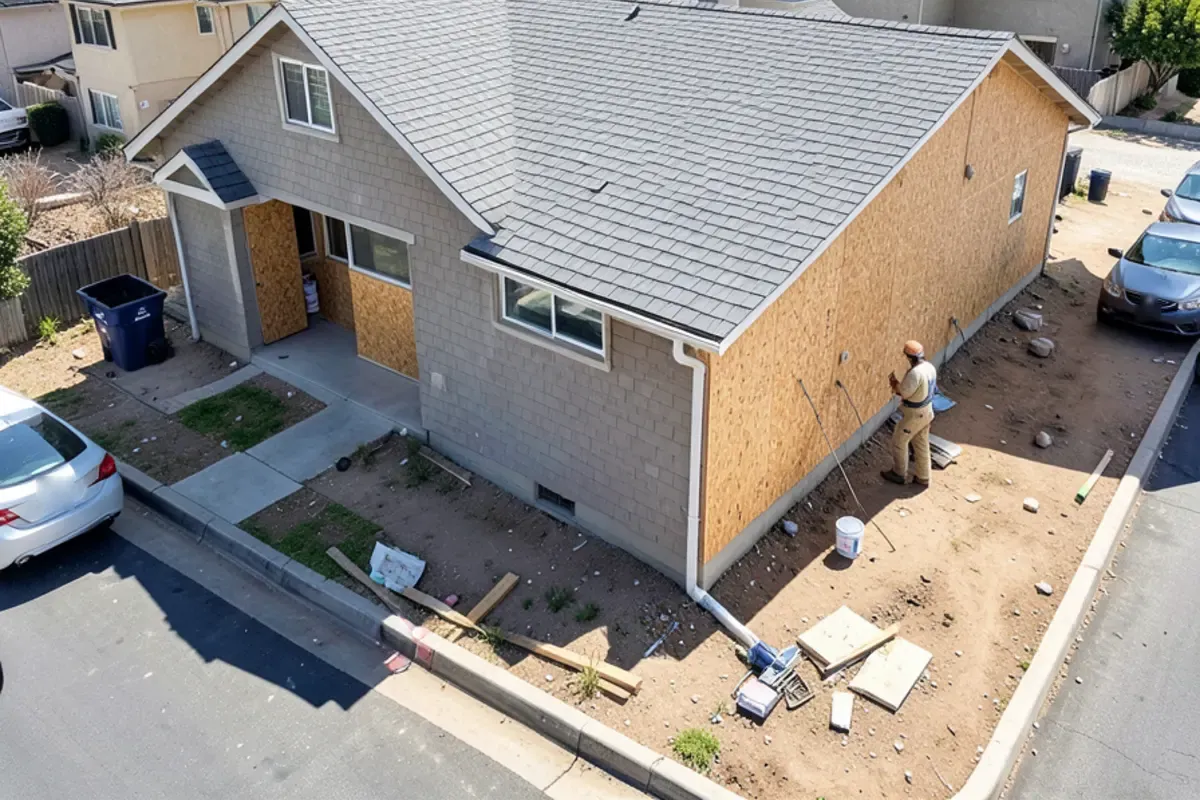
The order below is common, though each association's documents and city rules set the details.
- Review the reserve study and CC&Rs to confirm scope, funding and who owns the roof.
- Inspect a sample of buildings and document deck, flashing and ventilation condition with photos.
- Write the scope and send it to every bidder with the same site map.
- Compare bids line by line and have your attorney review the contract.
- Pull permits and order materials. Confirm who applies and who attends inspections.
- Send resident notices and set up access, parking and staging.
- Replace the roofs building by building, with a final walk-through and cleanup check on each.
Our post on roof warranties, material versus workmanship is worth reading before step four, since the warranty paperwork should be part of the contract.
How do you keep residents informed?
Resident notices prevent more calls to the management office than anything else. Send the first notice well before work starts, with the date range for each building. Follow it with a short reminder a few days ahead. Say what residents need to do: move cars, bring in patio items, secure pets, expect noise and nail vibration in the unit below. Give a single contact for questions. Post notices where residents will see them as well as emailing them. Roofing disturbs attic and ceiling areas, so tell people to expect some dust and to cover shelving in top-floor units.
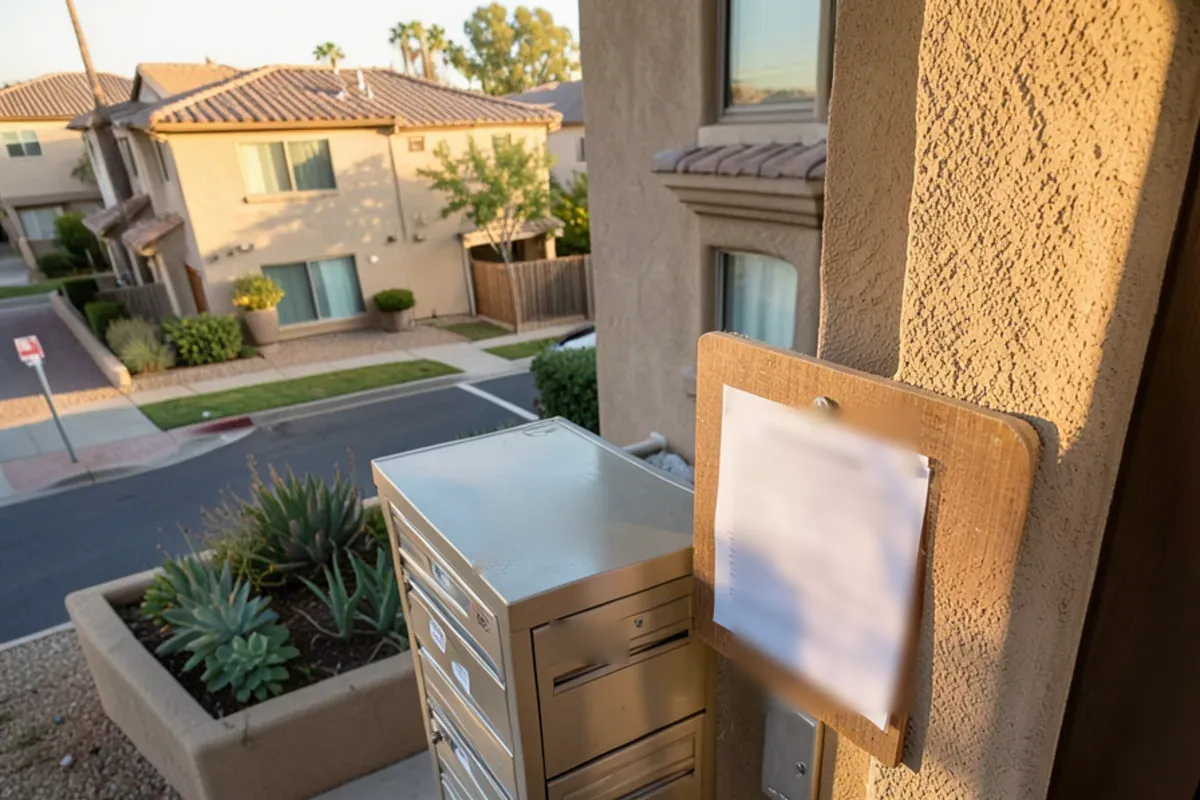
Plan for the questions too. Residents will ask about parking, early start times, pets, work-from-home noise and what happens if it rains mid-job. Answer these in the first notice and the calls drop. Residents with solar panels need extra lead time, since the panels must come off and go back on, and we coordinate that timing with your solar company.
Notices about assessments and board votes are governed by the Davis-Stirling Act. Your attorney can confirm timing and form.
What do our roofers tell boards before the first bid?
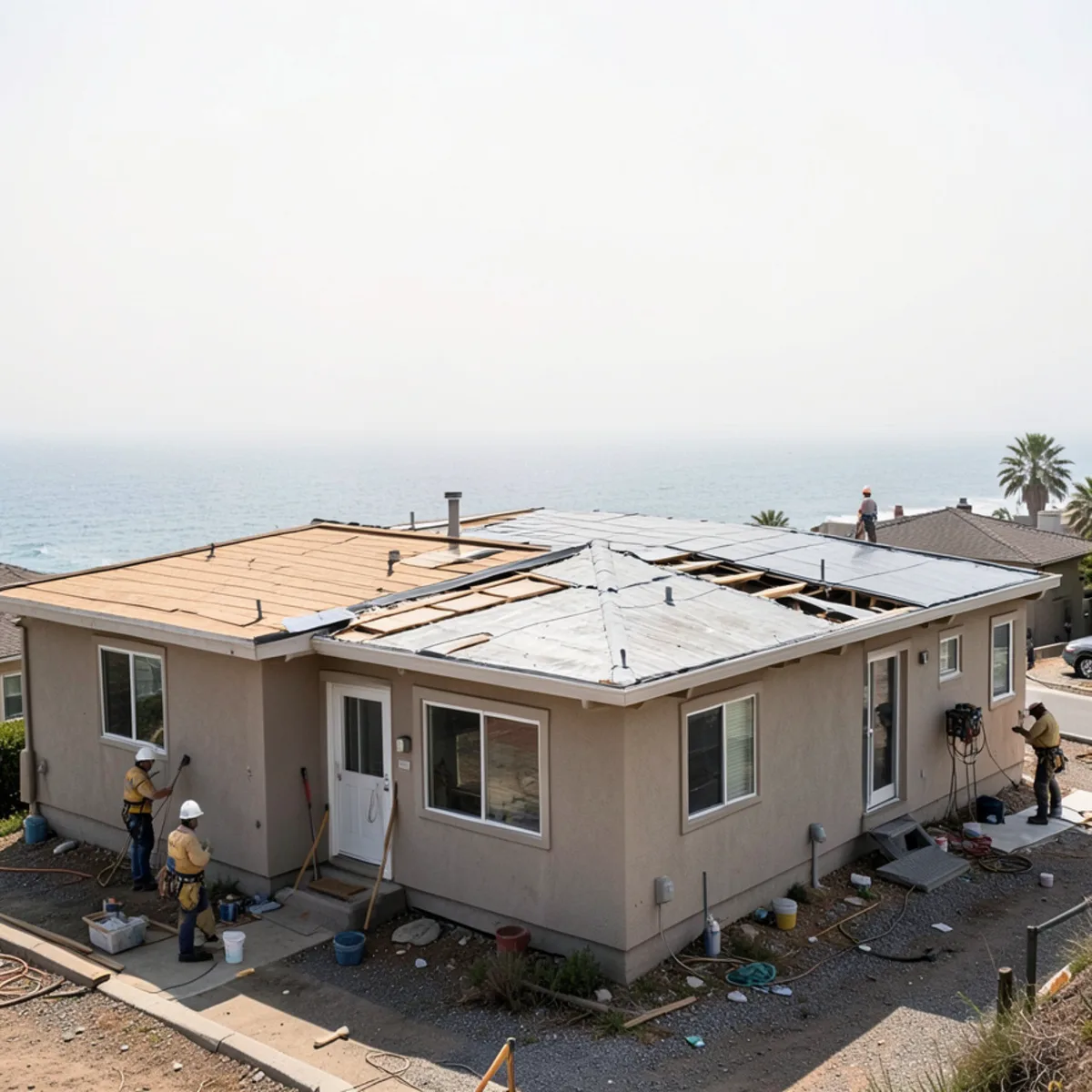
We tell boards what we would check before a scope is final. We look at deck condition on a few typical roofs, attic ventilation, existing flashing and any solar or satellite equipment that must be moved. We show you photos of what we find and explain repair and replacement options in plain terms. We handle permit details on re-roofs, protect landscaping and driveways, and clean up thoroughly. We also coordinate solar panel removal and reinstallation timing with your solar company.
Coastal communities such as those in Redondo Beach face salt air and morning marine layer that age metal flashing faster than inland sites, so we flag those details. Our post on salt air and roofs in the beach cities goes deeper.
Where to start
Bring your reserve study, your CC&R roof language and a site map to the first meeting. Ask for a free roof inspection of a sample of buildings, and use what you learn to write the scope. When the board is ready for bids, send every contractor the same document.
Sources
- California Civil Code, Davis-Stirling Common Interest Development Act (Section 5605, assessment limits)
- California Civil Code, Davis-Stirling Common Interest Development Act (Section 5550, reserve studies)
- California Department of Real Estate: Common Interest Developments
- California Contractors State License Board