

By the Crown Trim Roofers team · Published · Updated
A warranty is printed on the back of nearly every roofing proposal, and almost nobody reads it until something goes wrong. That is the wrong moment. The terms decide who pays, for how long and under what conditions, so a few minutes with the paperwork before you sign can save thousands later. This guide sits alongside our broader overview of a roofing contractor in Torrance, and the numbers below are typical ranges from the industry, not promises from us.
What is the difference between a manufacturer warranty and a workmanship warranty?
| Manufacturer (material) warranty | Workmanship (installation) warranty | |
|---|---|---|
| Who issues it | The product maker | The roofing contractor |
| What it covers | Defects in shingles, tile or metal | Installation errors: flashing, nailing, sealing |
| Typical length | Often long, with a shorter full-coverage period, then prorated | A few years up to ten or more, set by the roofer |
| Transferable? | Often once, within a deadline, sometimes for a fee | Less often |
| Common exclusions | Storms, poor ventilation, foot traffic, DIY work | Storms, other trades' damage, neglect |
| Only as good as | The manufacturer's claims process | The company staying in business |
The long headline numbers on shingle packaging usually mean a limited warranty with a shorter full-coverage window followed by prorated value. Read the actual document, not the brochure.
What voids a roof warranty?
The same handful of causes show up across published manufacturer and trade guides.
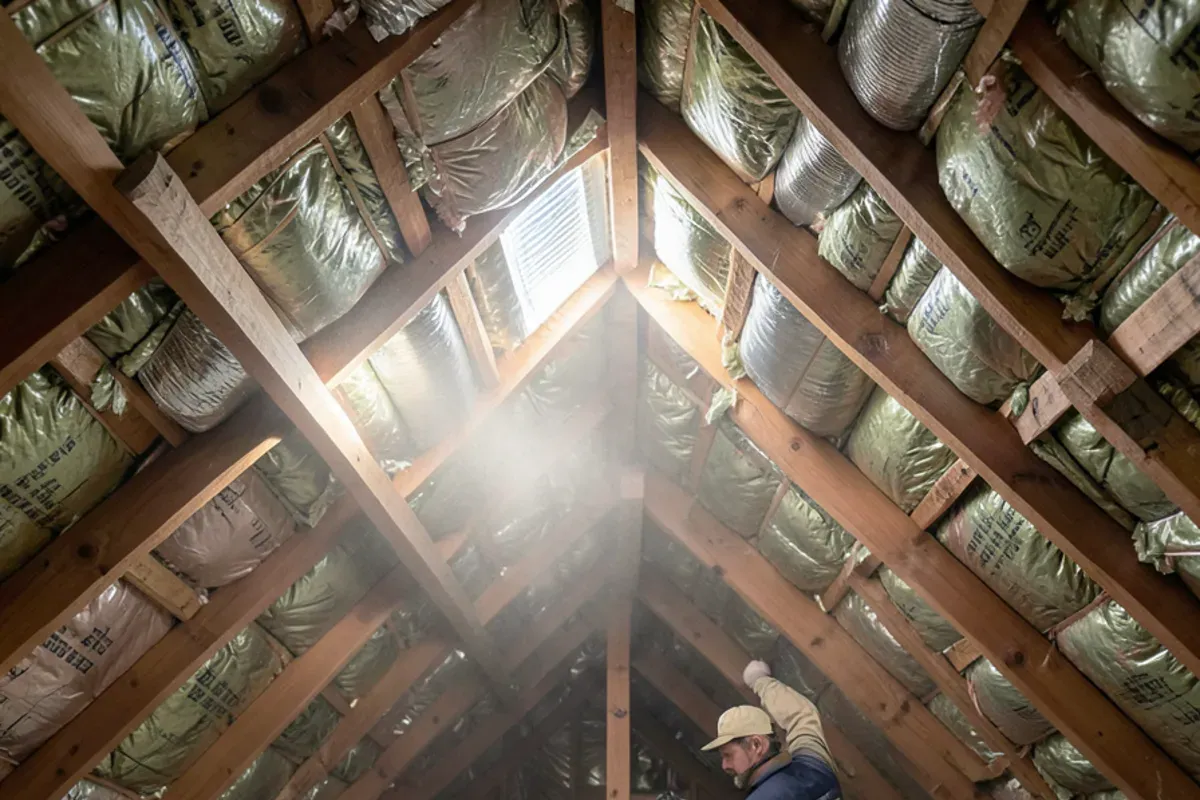
- Poor attic ventilation. Trapped heat damages shingles from below, and manufacturers exclude it. Our attic ventilation page explains the fix, and Torrance's warm summers make it more than a paperwork issue.
- Installation that ignores the manufacturer's instructions. Wrong nailing, missing underlayment or mismatched components can reduce coverage.
- DIY or unrelated repairs. Roof penetrations from satellite dishes, solar mounts or antenna work can open a claim dispute. Ask your solar company and your roofer to coordinate, as we do with detach and reset timing.
- Roofing over an old layer. An overlay may shorten or exclude coverage. See our overlay vs tear-off guide.
- Foot traffic and neglect. Walking on tile or letting debris and moss pile up gives the manufacturer a reason to deny.
- Storm and tree damage. Those are insurance matters, not warranty matters.

Are roof warranties transferable?
Manufacturer coverage often passes once to the next owner, usually with a deadline after closing and sometimes a fee. Contractor workmanship warranties transfer less often. If you might sell within a few years, ask for the transfer wording in writing, and find out who handles the transfer paperwork and by what date. A missed deadline can end the coverage the buyer expected. The post on roof certification for a home sale explains what buyers ask for besides a warranty.
How do warranties differ by roof type?
The same two layers of coverage apply, but the details change with the material.
- Asphalt shingle: manufacturers often offer a basic limited warranty and an enhanced one that requires matching components, sometimes registered by the installer. Read what counts as a matching component. Our asphalt shingle roofing page describes the system.
- Tile: the tile maker usually covers the tile, but underlayment, flashing and fasteners are separate items with their own terms, and often shorter lives. The underlayment wearing out before the tile is normal.
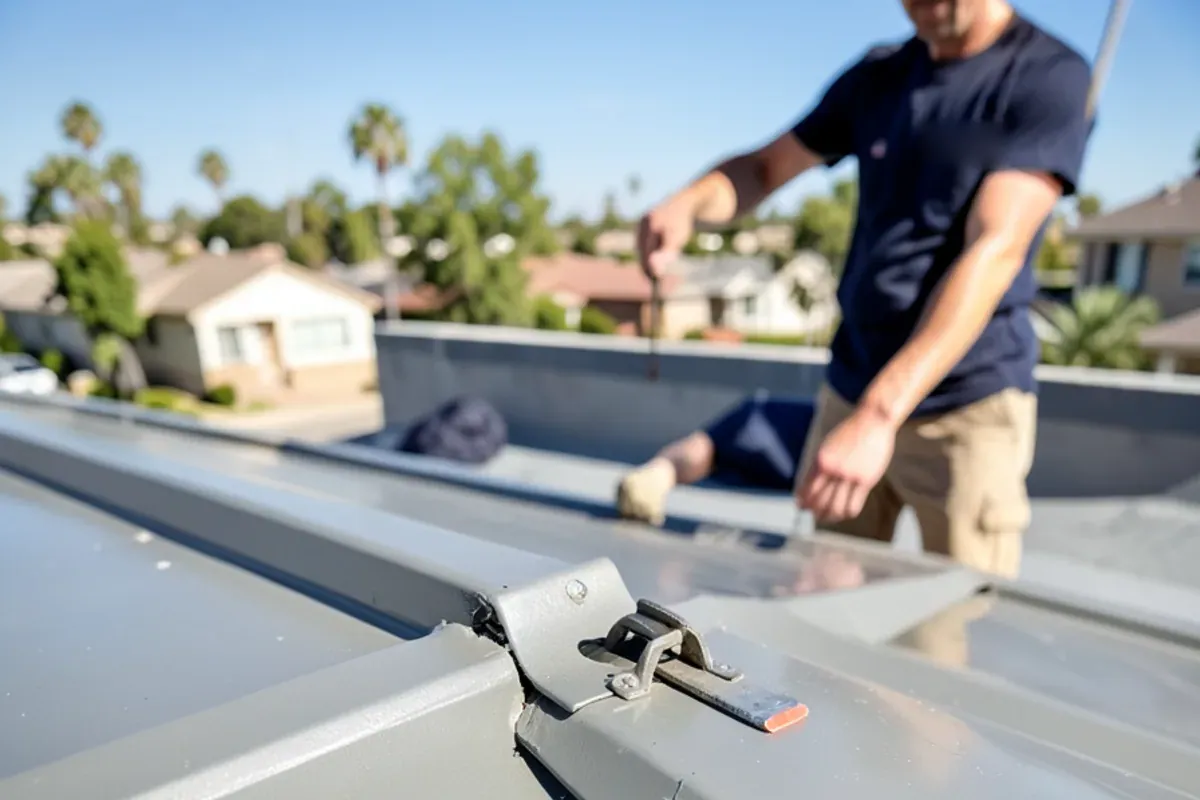
- Metal: the panel and the painted or coated finish may carry separate terms, with limits on fade or chalking. Coastal exposure can change what is covered, so read the fine print on salt air. See metal roofing.
- Flat roofs: some membrane makers only warrant systems installed to their specifications, sometimes with an inspection, so ask what the maker requires.
How do you read the fine print?
Look for these terms in any warranty before you sign:
- Limited versus full. Most are limited, meaning they cover defined defects only.
- Prorated versus non-prorated. A non-prorated period pays full cost, while a prorated one pays a shrinking share as years pass.
- What counts as a defect. Check the thresholds, such as how much granule loss or fade qualifies.
- Labor and tear-off. Some cover replacement material only, not the labor to install it.
- Claim deadlines. Notice periods can be short, so note them.
- Matching components. Enhanced coverage can depend on using specified underlayment, vents or flashing.
What should you do if a warranty problem comes up?
- Photograph the problem. Take dated photos before anything changes.
- Read the terms. Check whether the issue is material or installation, and note any notice deadline.
- Contact the installer first for a workmanship issue, in writing, with photos.
- Contact the manufacturer for a material defect, with proof of purchase and installation records.
- Hold off on outside repairs. A repair by someone else before you notify the warrantor can give it a reason to deny the claim, unless water is entering the home, in which case protect the house and document everything.
- Escalate if needed. For installation disputes, CSLB can take complaints, and legal advice may be worth having if the deadline is close.
What the warranty does not replace
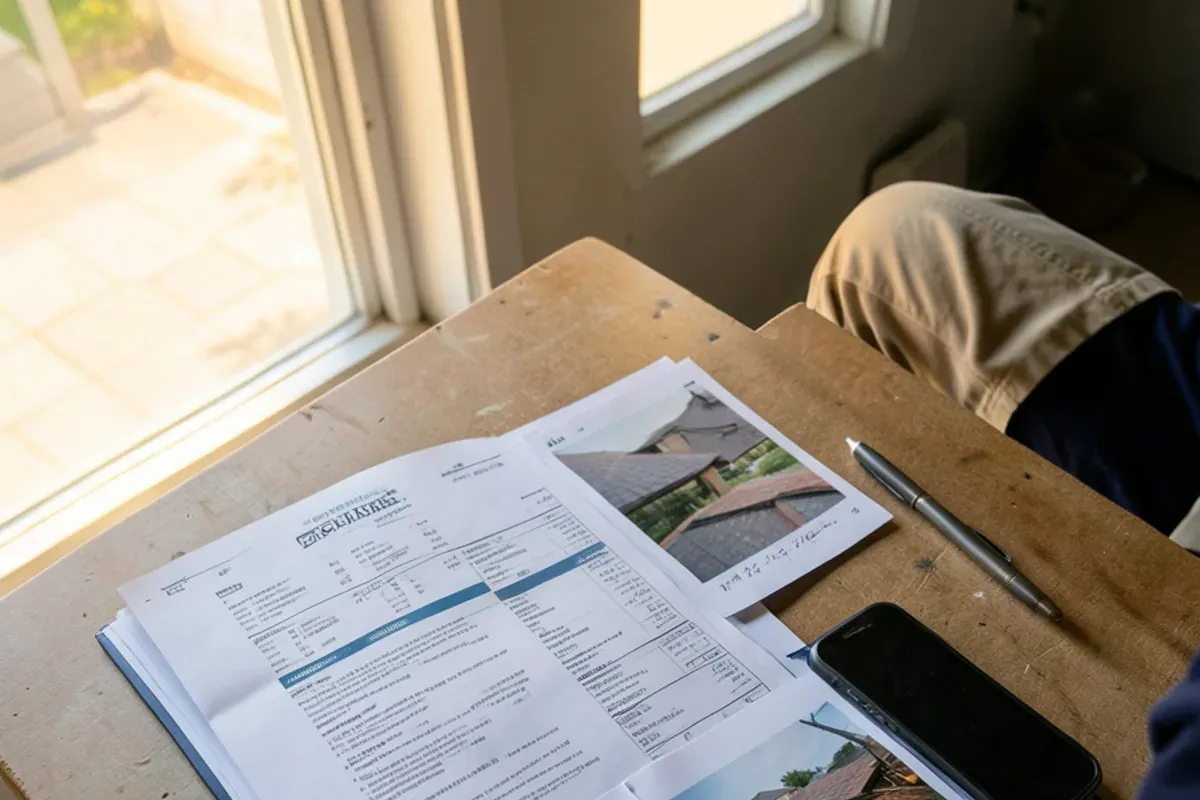
A warranty is not maintenance and not insurance. It does not cover wind-blown shingles or a fallen branch. It does not cover a flashing leak from age after the workmanship period ends. And it does not help if the roofer is gone. Keep your contract, product receipts and photos. A yearly look, such as a roof inspection, documents the roof's condition and helps if you ever file a claim.
California law also sets time limits for construction defect claims that run apart from any warranty. If you think a job was done wrong, contact the Contractors State License Board and consider legal advice, since those deadlines are strict.
What we tell homeowners to look for
Expert insight from our roofers: we read the warranty the way a buyer's attorney would, and we suggest you do the same. We explain materials in plain terms, share shingle samples and answer questions before anyone signs. One Google reviewer described exactly that: materials explained in simple terms, samples shared and every question answered right away. The honest trade-off: a long headline warranty is not a reason to pick a roofer or a product by itself, since a shorter warranty from a company that stays reachable can be worth more than a long one on paper. We also say what we see when a warranty is likely to be disputed: ventilation that was never checked, flashing details skipped and repairs by a different trade.
Questions to ask before you sign
- Who issues each warranty, and how long does each last?
- What is covered in the full-coverage period and what is prorated?
- What voids it? Ask for the conditions in writing.
- Is it transferable, to whom, how often, and by when?
- Is there a registration step, and who completes it?
- How do I file a claim, and who answers the phone?
- Does the warranty depend on a particular attic ventilation or underlayment?
- How will you protect the warranty if solar panels come off and go back on?
- What happens if the company changes hands or closes?
If the answers feel vague, take that as information. For a second opinion on a proposal, a free estimate from a local roofer is an easy next step.