
By the Crown Trim Roofers team · Published · Updated
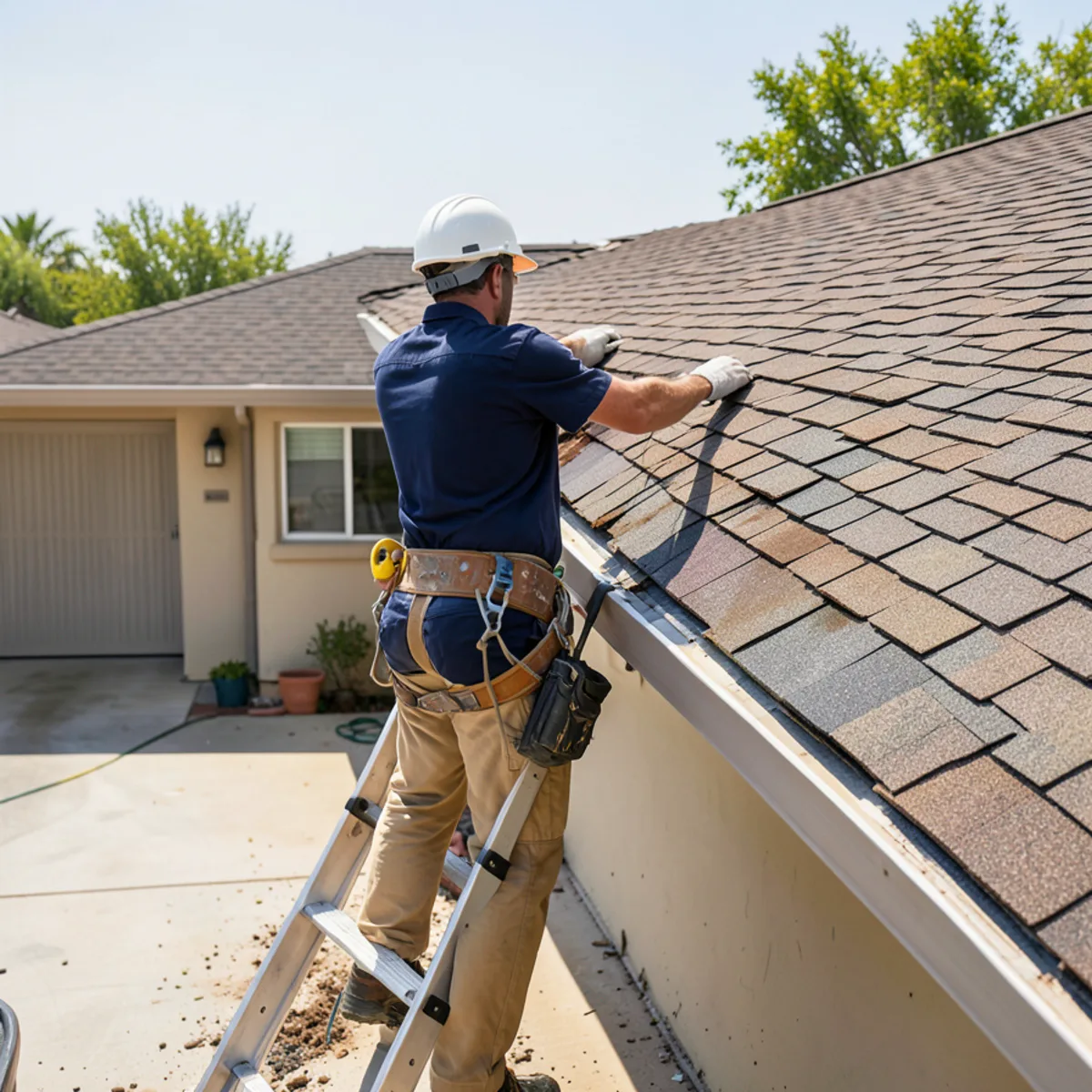
Anyone who has priced a new roof has seen the number drop when someone suggests an overlay. It is a real option, and for some roofs it is a fair one. For others it hides trouble. Our roof replacement hub covers the full job, while the re-roofing (overlay) and roof tear-off and removal pages cover each method. This post helps you pick between them.
How do an overlay and a tear-off compare?
| Factor | Overlay (recover) | Tear-off (full replacement) |
|---|---|---|
| Upfront cost | Lower; no removal labor or dump fees | Higher |
| Deck inspection | Not possible | Full view and repairs |
| Added weight | Adds about 2.5 to 4 lb per sq ft | Same as before, or less |
| Hidden damage | Stays hidden | Found and fixed |
| Attic heat | Extra layer holds more heat | Fresh start |
| Manufacturer warranty | May be shortened or excluded | Standard terms apply |
| Resale | Some buyers and inspectors discount it | Seen as a clean new roof |
| Allowed when | One flat, sound layer; not over tile or shakes | Always |
The cost gap is real but narrower than people assume. Published 2026 market data puts the average Torrance roof replacement at about $7,202 to $8,183 (Homeyou). That is a market figure, not a quote, and it includes removal. An overlay saves the removal piece, not the new material. It also saves time on site and avoids the disposal of old roofing, which is why it appeals on a tight schedule. The savings shrink if the deck needs repair first.
When is a roof overlay allowed?
Codes set the limits, and your city confirms them. Model residential codes generally do not permit a recover over a roof that already has two or more layers, or one that is soaked or deteriorated, and many California cities exclude tile and wood shakes. For re-roof permit steps in our city, read our post on re-roofing in Torrance: permits, inspections and Title 24, or call City of Torrance Building & Safety at (310) 618-5910. Torrance's median home was built in 1964, so some roofs have already been covered once and may have a second layer hiding under the top one.
What can an overlay hide?
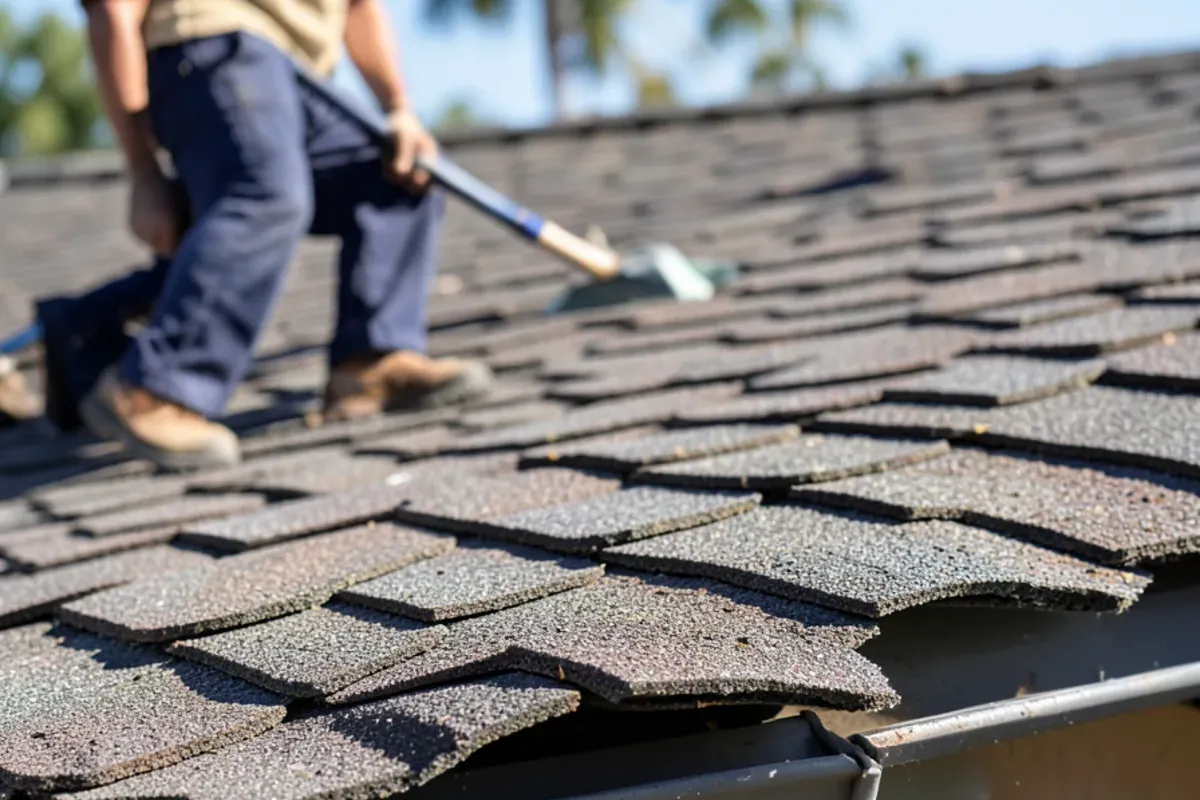
Everything under the top layer. Rotted decking, loose flashing, old vent boots, rusted nails and moisture trapped between layers stay buried. A second layer also adds weight and holds more heat. In the Southern California sun, that extra heat can shorten the life of the new shingles. Flashing is another casualty: when a second layer raises the roof surface, step flashing, chimney and wall flashing and vent pipes either get patched higher or reused, and both shortcuts invite leaks. A proper job replaces them. If the deck is soft in places, covering it just moves the problem. You can look for a hidden layer yourself from the ground with binoculars. Two stacked shingle edges at the eave or rake, or a ridge cap that looks unusually thick, suggest an earlier overlay. Confirm at the eave, since a visual guess can be wrong.
One Google reviewer described a crew removing three layers of old shingles before completing a new roof and gutter installation. That is the situation where an overlay would have been the wrong call: three layers is past what a recover allows.
What does a tear-off include, step by step?
Knowing the steps shows what the extra money on a tear-off actually buys.
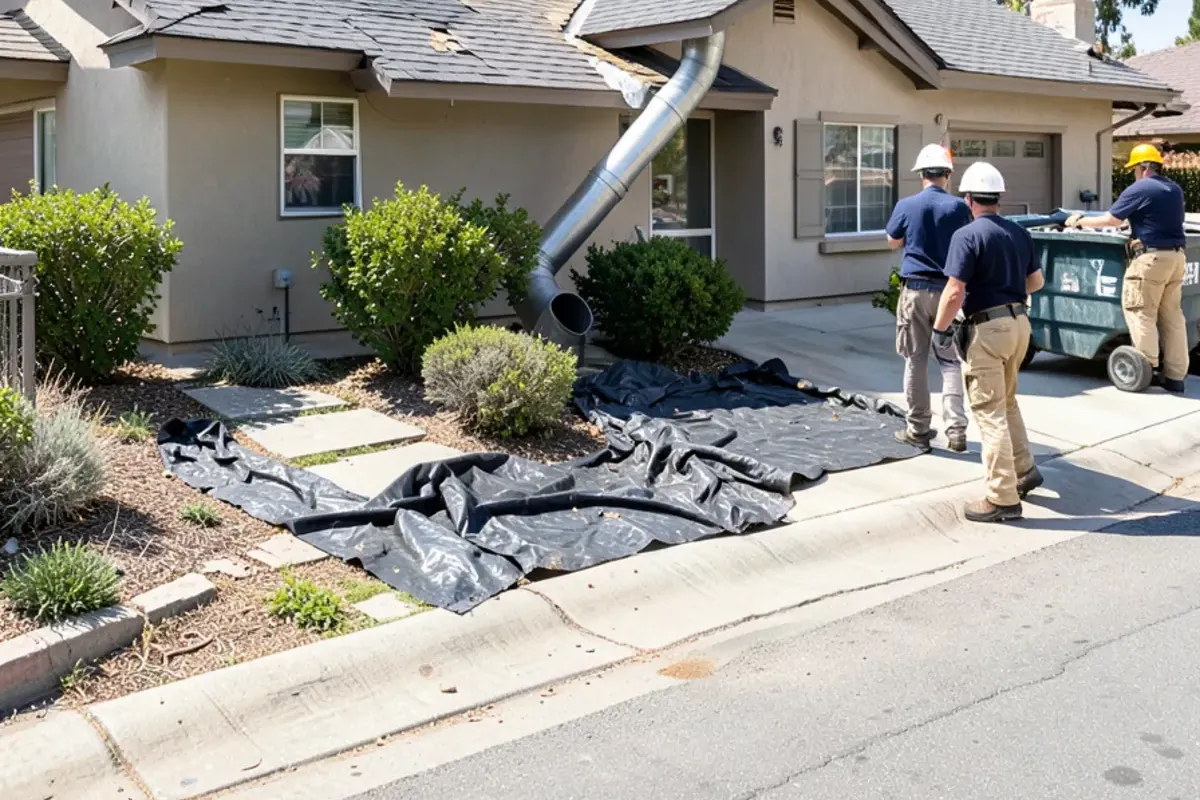
- Protect the property. Tarps and a debris chute shield landscaping, walkways and the driveway.
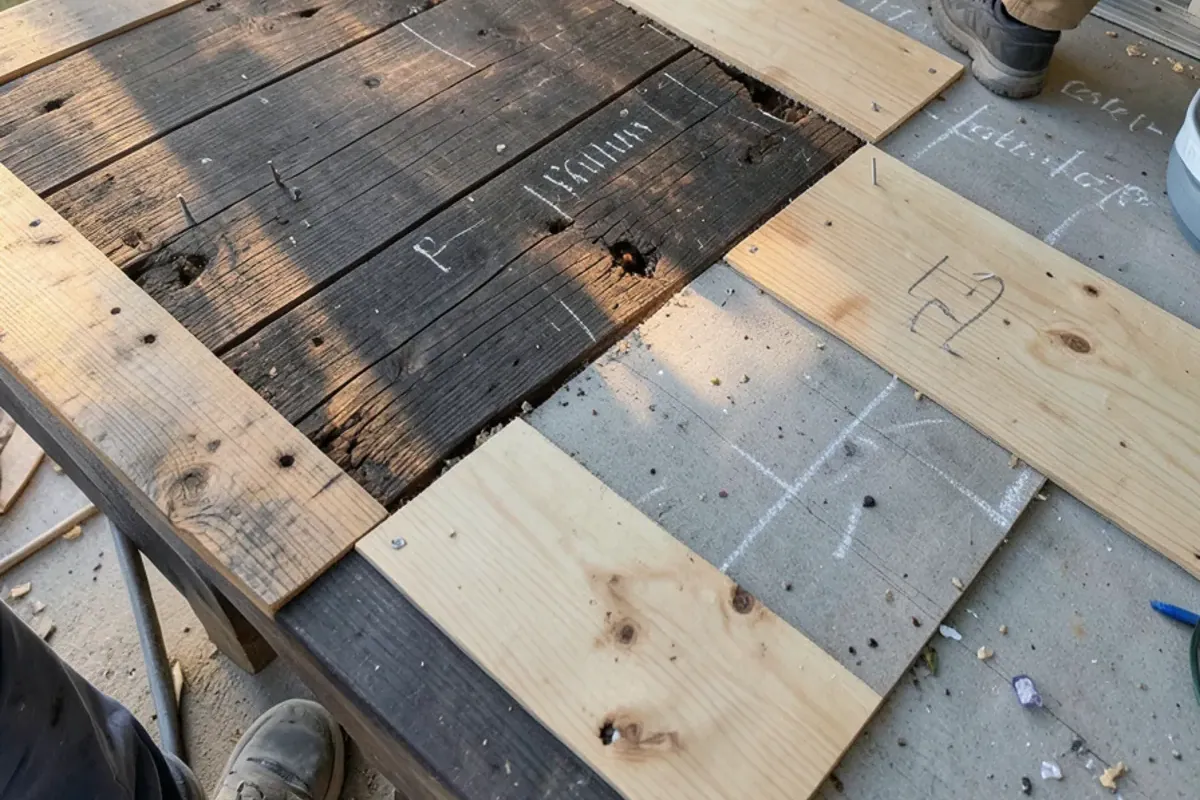
- Strip the old roofing. All layers come off down to the deck, along with old underlayment and loose nails.
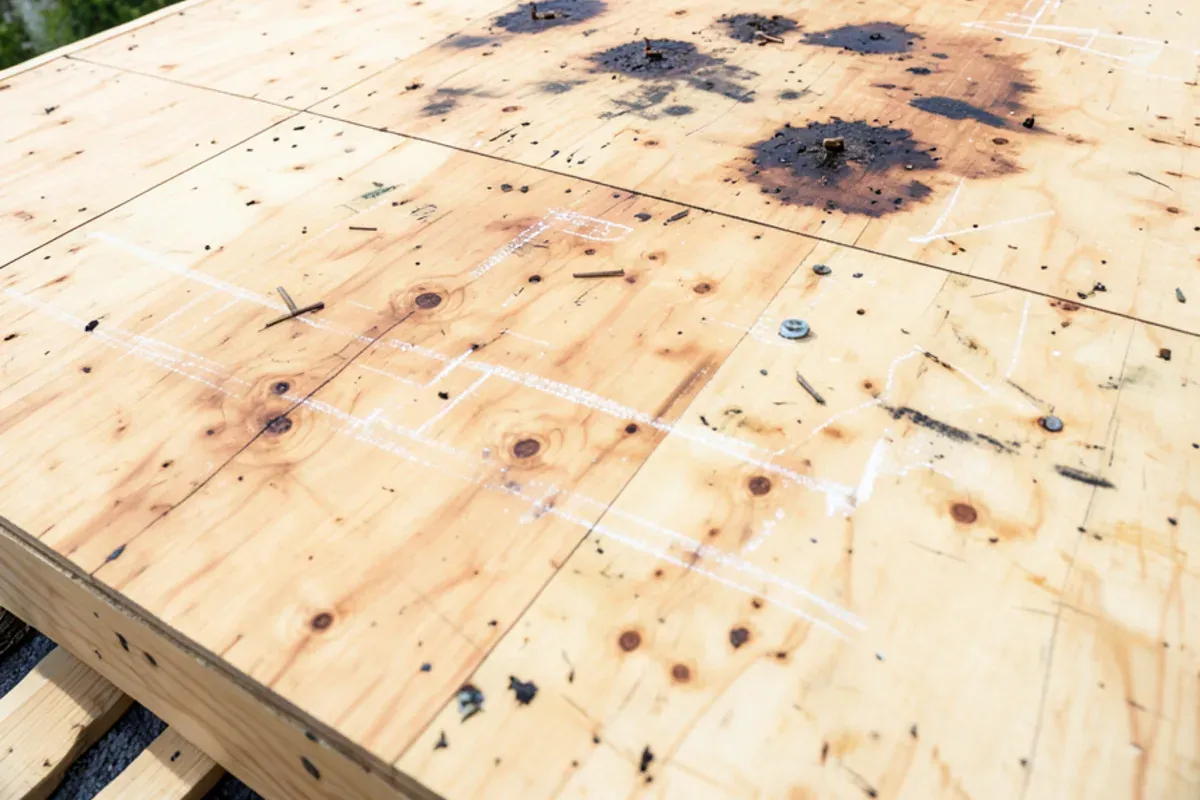
- Inspect the deck. Soft, stained or split boards show up now. You see photos of what is found.
- Repair the deck. Rotted sections are replaced with new plywood or matching boards.
- Replace the system parts. New underlayment, drip edge, flashings and vent flashings go in, not the old ones.
- Install the new roofing and clean up. A magnet sweep for nails and a final walk of the yard finish the job.
Our roof tear-off and removal page covers the process in detail. Many older South Bay homes have plank decking, and Torrance's older housing stock is why a deck check matters. Read our post on what crews find on post-war Torrance homes for the typical surprises.
What should each estimate tell you?
Ask both quotes to name the same items so you can compare the overlay against the tear-off fairly:
- How many layers are on the roof now, and how they were counted.
- Whether flashing, drip edge and vent boots are replaced or reused.
- What deck repair is included, and how extra boards are priced if found.
- Who handles the permit and inspection.
- How the debris is hauled away.
- The manufacturer and workmanship warranty terms for that method.
- The layer count in writing, so the number each bidder assumed is on the page if the deck surprises everyone.
If one quote leaves out items the other includes, the gap in price may not mean what it seems. A low overlay price that reuses old flashing is a different product than a tear-off with new flashing.
What do we check before recommending either one?
Expert insight from our roofers: we start with the edge and the attic, not the surface. We look at the eave to count layers, check the underside of the deck for stains and soft spots, and photograph what we find. If there is one clean layer, a sound deck and no leaks, an overlay is something we will discuss honestly, with the warranty and resale trade-offs. If the deck is questionable or there are two layers, we explain why a tear-off is the safer buy. We handle permit details on re-roofs either way.
Which should you choose for your situation?
- One flat layer, no leaks, selling soon, tight budget: overlay, if the city and manufacturer terms allow it.
- Planning to keep the house 10 years or more: tear-off. The deck inspection pays for itself.
- Leaks, stains or a soft spot anywhere: tear-off, so the cause is repaired.
- Two or more layers, or tile or shakes underneath: tear-off is required.
- Solar panels on the roof: tear-off is simpler, and we coordinate panel removal and reinstallation timing with your solar company.
- Not sure how many layers you have: have the eave and attic checked first.
One more point: the cheaper path now can cost more later. A roof that needs a tear-off in 12 years will carry two layers of removal then, plus any rot that grew under the overlay in between. The older-home angle is on the older home roof replacement page. Keep the numbers from each estimate on one sheet. Whichever way you lean, ask each roofer for the overlay price and the tear-off price, with the warranty terms for both in writing. Our roofing contractor in Torrance page explains how we run an estimate, and the post on roof replacement cost in Torrance covers what moves the number.