
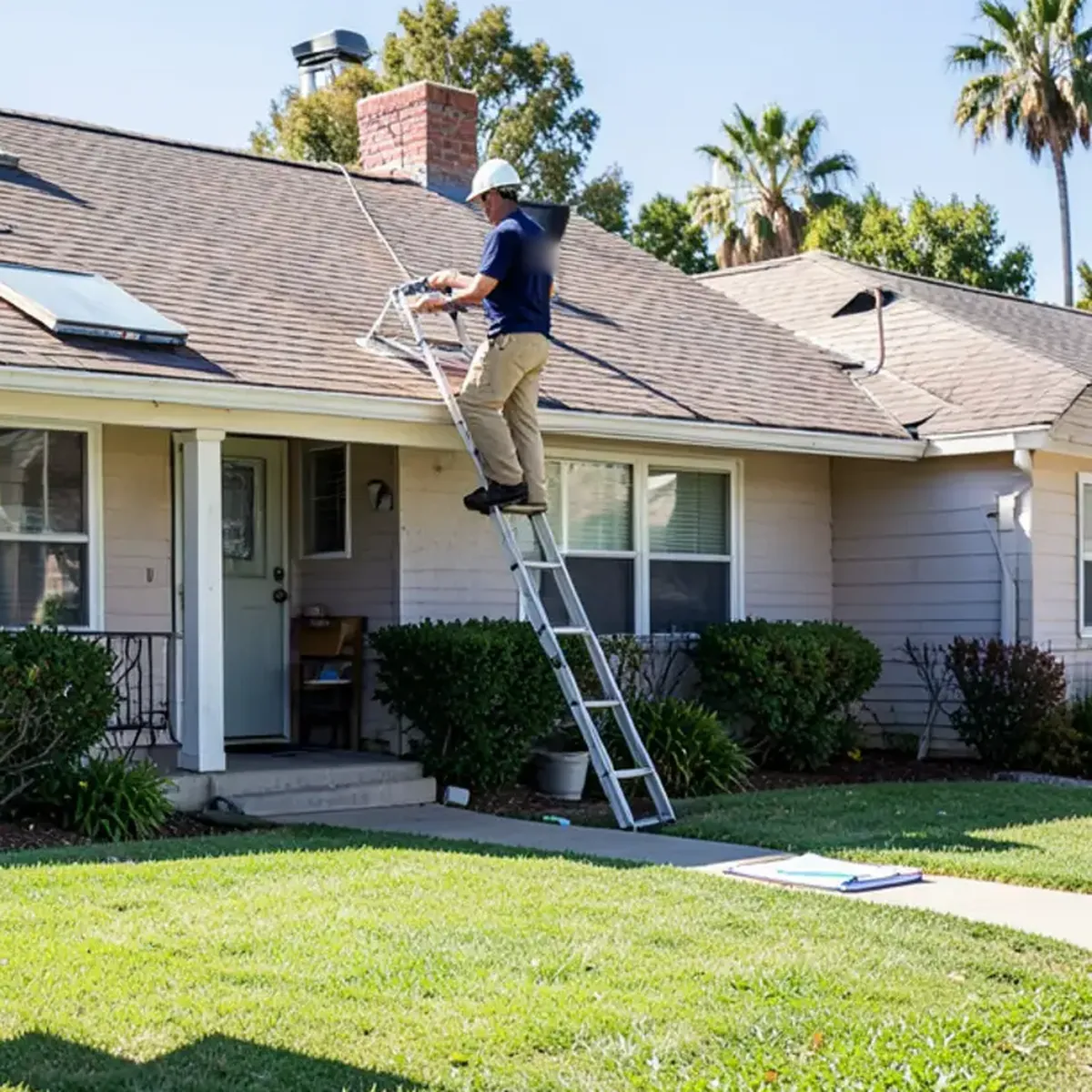
By the Crown Trim Roofers team · Published · Updated
Roof certification lands on a deal at the worst time: an agent calls during escrow and the clock is running. If you know what it is before the call comes, you can order one early and avoid a scramble. Our roof certification service page describes the process. This post explains the idea, who asks, and what to do with the result. The wider roof inspection and maintenance hub covers the rest.
What is a roof certification, and what does it cover?
A roof certification is a written statement, usually with photos, that a roofing professional examined the roof on a certain date. It describes the condition of the roof covering, flashing, penetrations such as vents and chimneys, and visible drainage. It also estimates how many years the roof should keep shedding water if it is maintained. It is an opinion, not an insurance policy and not a warranty.
| Roof certification | Home inspection roof section | Full roof inspection report | Roof warranty | |
|---|---|---|---|---|
| Who writes it | Roofing professional | General home inspector | Roofing professional | Manufacturer or installer |
| Depth | Focused, with remaining life | Visual, limited time | Detailed, with repair scope | Not a report |
| States remaining life | Yes | Rarely | Sometimes | No |
| Used for | Escrow, lender, insurer | General buyer review | Planning repairs | Covering defects |
| Photos | Usual | Sometimes | Usual | No |
When do lenders, insurers and buyers ask for a roof certification?
Three groups ask. Lenders, especially on FHA or VA loans, may want proof the roof has a minimum remaining life, commonly cited as about two years. Requirements vary by lender, so ask yours. Insurers sometimes request one before issuing or renewing a policy on an older roof. Buyers and their agents ask when the roof is old, when the home inspection raised a flag or when the buyer wants a negotiating document.
Torrance has plenty of older roofs under the question. The median home here was built in 1964, per Census data, and most of the housing stock predates 1980, so many buyers inspect the roof closely. Our post on how long roofs last in Southern California gives typical ranges, which are not promises.
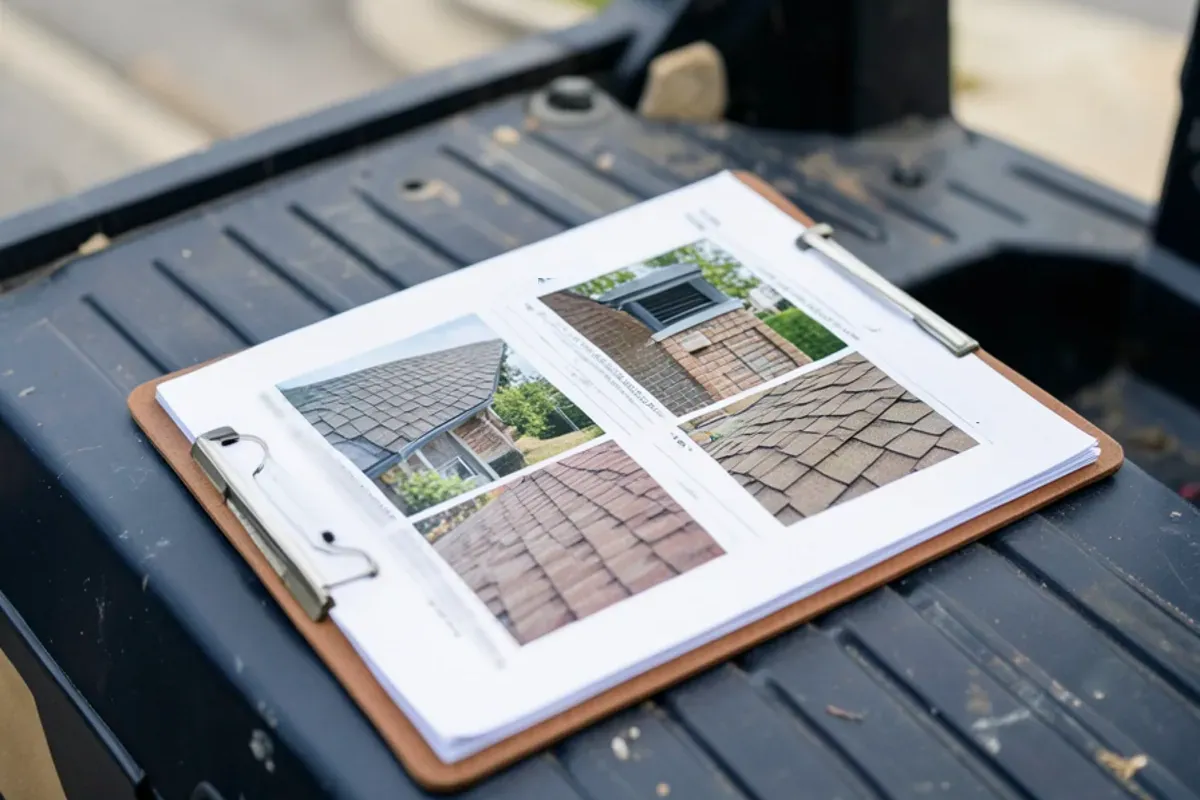
What happens during the inspection, step by step?
A good certification inspection follows a set path so nothing is skipped.
- Walk the property. The inspector looks at the roof from the ground, notes the material, age if known and the number of slopes.
- Check the roof covering. Shingles, tile or metal panels are examined for cracks, slipped pieces, lifted edges and wear.
- Inspect flashing and penetrations. Chimneys, vent pipes, skylights, valleys and wall joints are where leaks start.
- Look at drainage. Gutters, downspouts and the roof edge show whether water leaves the roof cleanly.
- Check the attic when it is accessible. Stains, damp insulation and soft decking show hidden leaks.
- Photograph and write up. Each area gets photos, and the report states condition and the estimated remaining life.
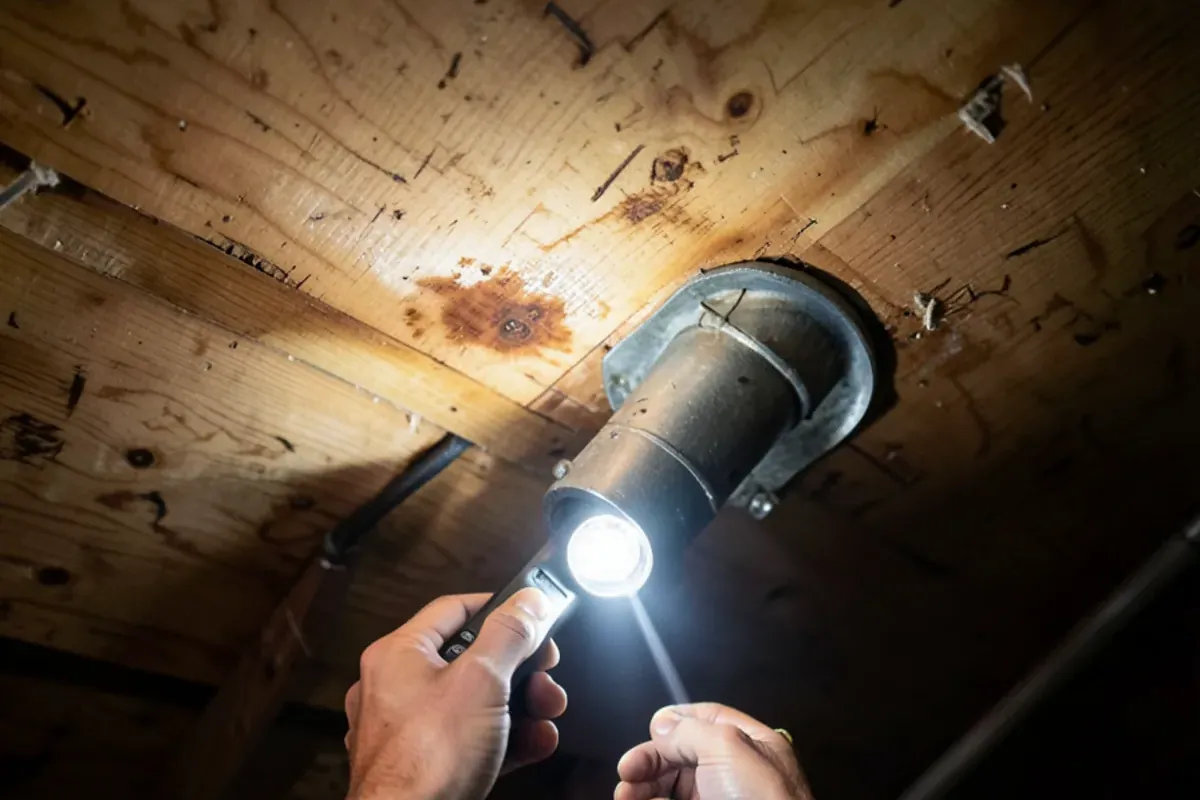
See our roof inspection page for what a standard visit covers.
What affects the price of a roof certification?
We do not quote prices in a blog post, but the variables are easy to name. Roof size and pitch change the time on site. Steep or tile roofs need more care and more safety setup. Access matters too, such as gates, tall trees and tight side yards. Report depth counts, since a short letter costs less effort than a full written report with photos of each slope. Repairs are separate: if the inspection finds problems, the repair estimate is its own line. Ask whether the certification fee is separate from any repair work, and whether a reinspection is included after the repairs.
How should you time a certification inside escrow?
Escrow runs on short clocks. In many California purchase agreements, the buyer's inspection contingency period is commonly around 17 days, but your contract sets the real date, so check it. Order the roof inspection in the first few days, so the report lands while you still have time to negotiate repairs or credits, or to book the repair work. If the lender asks for a certification, ask for the wording it requires before the inspector starts. For older roofs near the end of their life, a certification may not be possible without repairs, which is a reason to start early. Our post on roof warranties explained explains what a buyer may expect beyond the letter.

How long does a roof certification stay valid?
There is no statutory shelf life. Providers commonly write two years for a sound older roof, and may write longer for a newer one, though it depends on the roof and the roofer. The key point is what the letter says: a date, a condition, an estimated remaining life, and any exclusions. A roof that was fine at the inspection can still fail from a later storm or damage. If a lender or buyer asks for a certification dated within a certain window of closing, schedule the inspection to fit it.
What happens if the roof does not pass?
The report lists what must be fixed before a certification can be issued. Typical items include cracked or slipped tile, failed flashing, deteriorated vent boots, exposed nails and soft spots at the deck. We show you photos of what we find and explain options in plain terms: a repair first when a repair will do, replacement only when the roof is truly at the end.
Who pays is a negotiation, not a rule. It can be the seller, the buyer, a split, or a price adjustment. After repairs, the roof is reinspected and the letter issued. Our post on the annual roof inspection checklist shows what a good inspection covers.
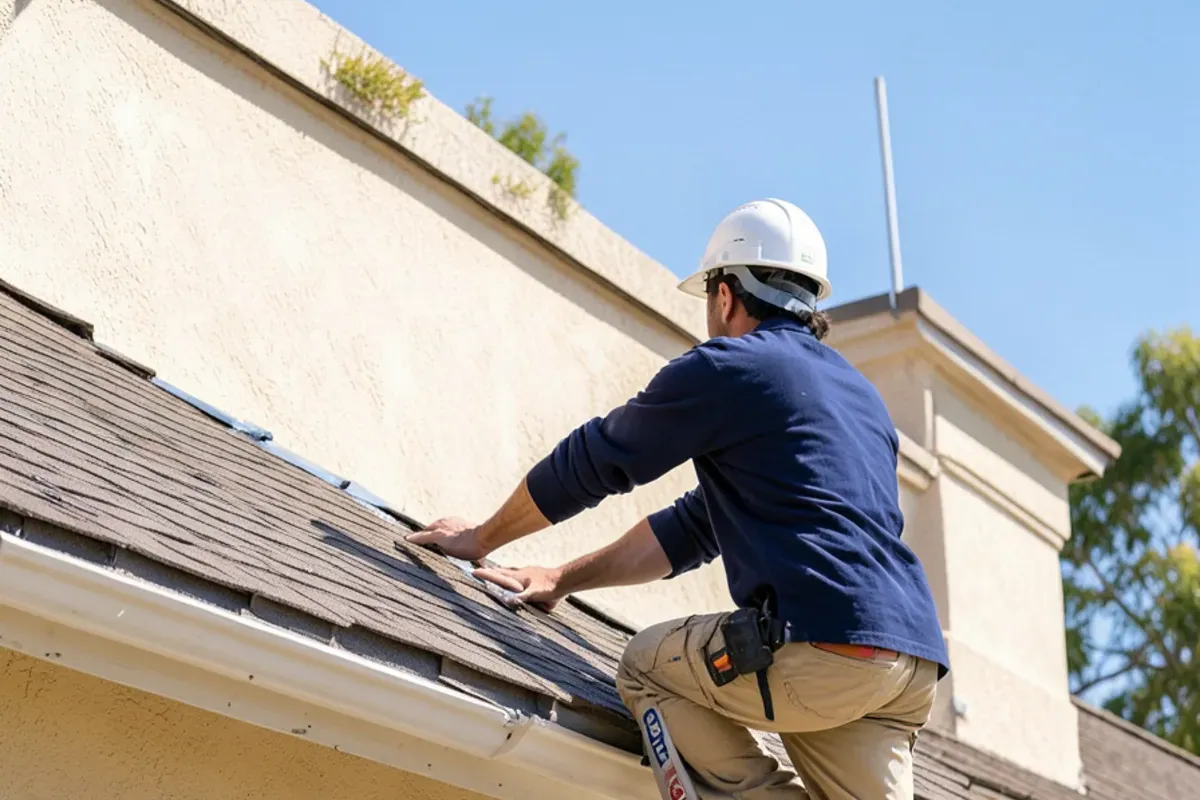
What we tell sellers and agents
Expert insight from our roofers: order the inspection before you list, not after the offer. It gives you a repair list you can fix on your schedule, instead of a demand in the middle of escrow. The honest trade-off for sellers is that an early inspection can reveal repair costs you would rather not know about, but a known list is easier to manage than a surprise during escrow. We start with a free roof inspection, photograph each area and explain what is sound and what is not. If a certification is the goal, say so up front, so the inspection is scoped for the report. We also tell sellers to keep invoices and photos from earlier repairs, since they show buyers a maintained roof.
Who needs a roof certification, and when?
- Seller of an older home with a roof past mid-life: get one before listing.
- Buyer using an FHA or VA loan: ask the lender if the roof must show remaining life.
- Buyer of any home with a roof that looks tired: order a roof-specific inspection during the contingency window.
- Owner facing an insurance renewal question: ask the insurer what they accept.
- Agent with an escrow clock: call early and share the lender's wording with the roofer.
- Owner with a young, well-documented roof: the original installation records may be enough.
To schedule one, ask a roofing contractor in Torrance about timing and what the report will include.
Sources
- California Department of Real Estate
- HUD: Single Family Housing reference
- US Census Bureau: Torrance city, California