
Roofing Contractor in East San Gabriel, CA
- 4.8★ from 73 Google reviews
- Free estimates
- Same day or next day service
- Photos of what we find
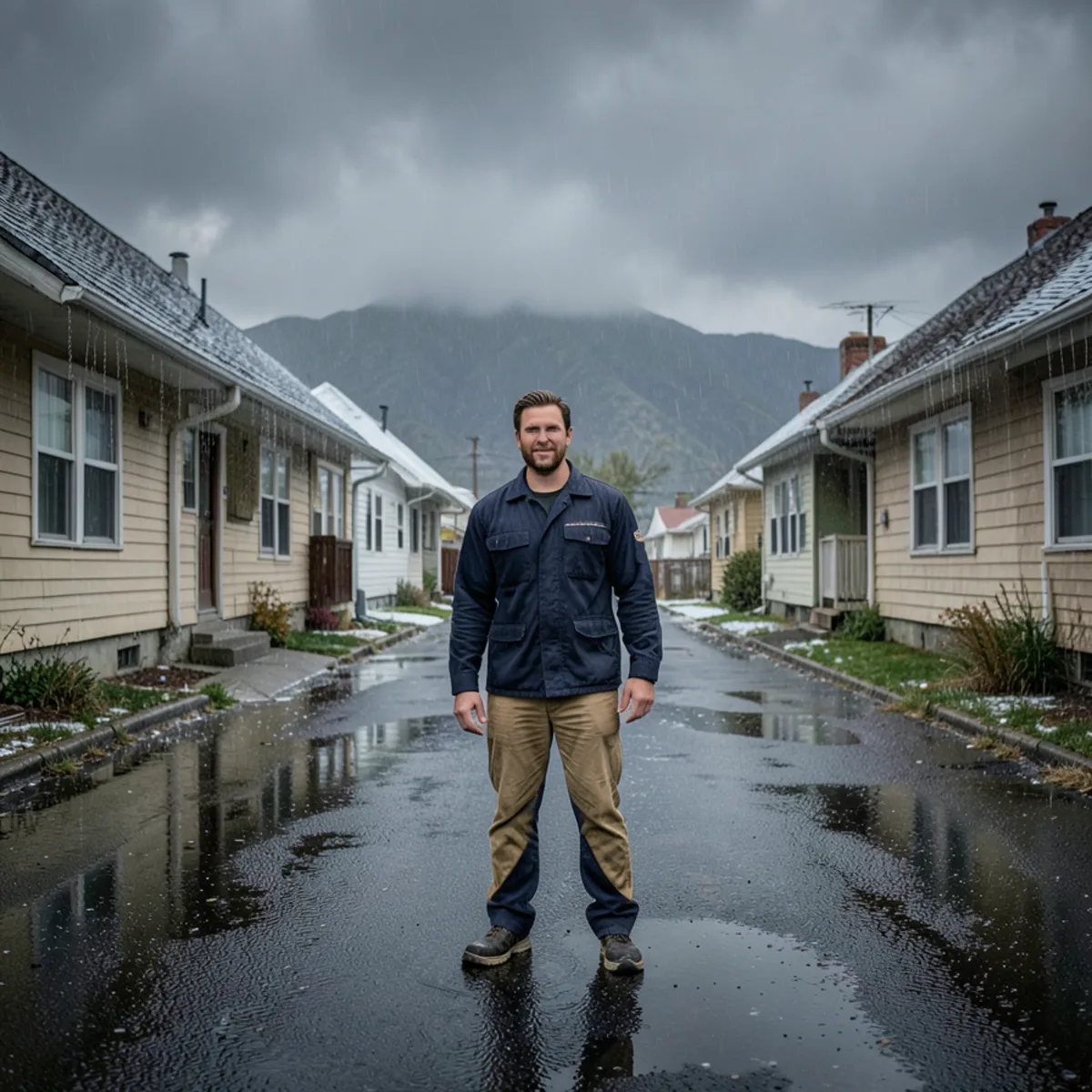
Winter in East San Gabriel is a bigger test for roofs than a coastal winter. The community is unincorporated, wedged next to San Gabriel and Arcadia, and the foothills a few miles north pull storms in harder than the beaches see. It is about 35 miles and 65 minutes from our PCH base. Torrance gets about 14 inches of rain a year. That gives us a baseline, and foothill-side homes usually exceed it.
County permits, not San Gabriel's
Because the area is unincorporated, re-roof permits come from Los Angeles County Public Works, not from the City of San Gabriel. We check your address first and take on the re-roof permit paperwork. The unincorporated permits guide explains the process, and our Los Angeles County service area page shows how permit offices change from city to city.
What a storm finds on a 1940s or 1950s ranch roof
Most of the housing is single-story ranch, built in the 1940s and 1950s. Roofs from that era have usually been replaced at least once, sometimes with a second layer over the first. Extra layers hold heat and hide damage. Nails back out, underlayment dries, and flashing at chimneys and vents is often the original metal.
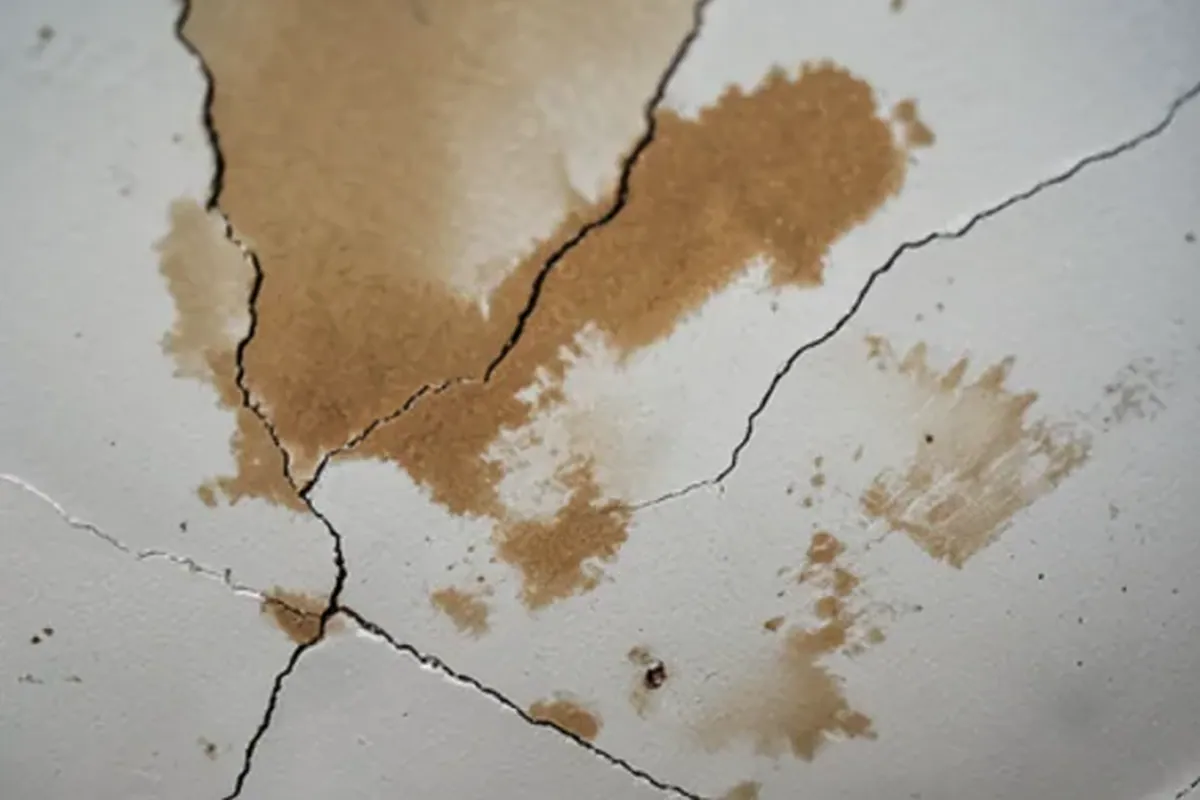
Water leaves a clear trail. A brown ring on the ceiling, darker decking near the vent, and rusty nail tips in the attic tell us where it came in. We photograph all of it so you see the same thing we do. Ceiling drywall that has dried can still hide wet insulation above it, so we look in the attic when access allows.
Layers, nails and the underlayment you cannot see
A second layer of shingles feels like a bargain until it comes off. Two layers trap heat, and the old nail heads under the top layer rust and back out, pushing up the new shingles. Underlayment dries and cracks beneath both. The roof can look fine from the street and still hold water under the surface after each storm. This is why the building code generally does not allow a recover over two layers, and why we photograph the deck when a tear-off exposes it.
A pre-storm walk-around that costs nothing
You can check a ranch roof from the ground and the attic before a storm.
- Look at the first row of shingles along each eave for curling or missing pieces.
- Look for exposed nail heads or bare spots near the ridge.
- Check the sealant and flashing where plumbing vents and the chimney pass through the roof.
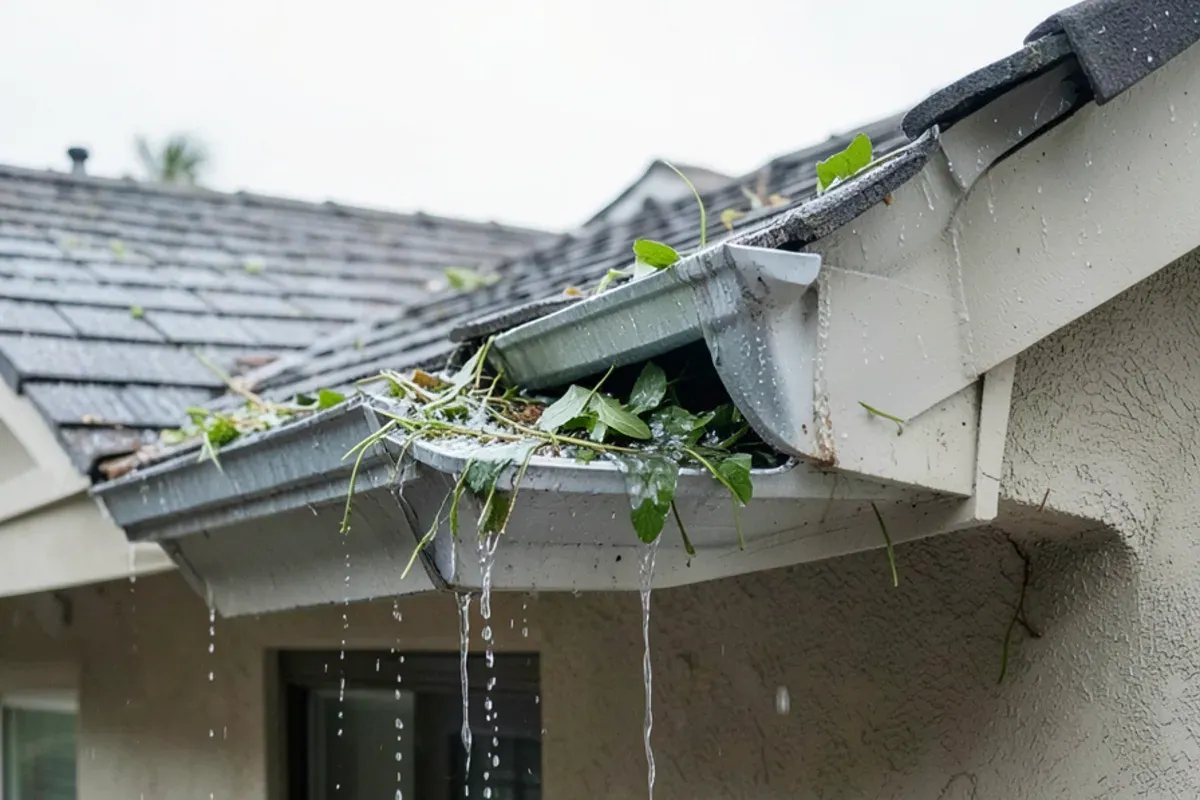
- Clear gutters and downspout outlets so water leaves the roof edge.
- With a flashlight in the attic, check the decking near each vent and chimney for dark stains or damp insulation.
If one of those turns up something, a free inspection tells you whether it is a repair or the start of a larger job. Our roof inspection page explains what a visit includes.
From the call to the attic check
We can usually send someone for a free estimate or roof inspection the same day or the next. We ask which slope leaks and whether the stain is new, then confirm an arrival window. If rain is falling, we talk through a temporary fix first; see what to do first when a roof leaks. Ranch driveways here are usually wide enough for a truck, and we protect landscaping and driveways as we work.
Services that match foothill-side weather
Gutters and flashing matter more in this part of the valley than they do on the coast. The cards explain.
Roof Tear-Off & Removal
Roofs on 1940s-50s ranch houses often carry two layers. Tearing both off to the deck shows what a storm has been working on and replaces only the boards that are bad.
Older Home Roof Replacement
Older ranch homes here may have original plank or thin plywood decking and exposed nails. Replacement starts with a deck check before any new underlayment goes down.
Roof Leak Repair
Storm leaks trace to old flashing, exposed nails or a failed vent boot, and water travels, so we follow the stain from the ceiling up through the attic to the entry point.
Roof Flashing Repair
Chimney and vent flashing from the original build is often rusted or lifted, and resealing or replacing it is the cheapest way to survive a foothill-side storm.
Gutter Repair
Heavier foothill-side rain overwhelms undersized or clogged gutters first. Resetting sagging runs and clearing outlets keeps water off fascia and stucco walls.
Roof Replacement
Roofs laid on 1940s-50s ranch houses have often been re-covered once, and a second layer shortens what a patch can do, so replacement is the honest option on many.
Roof Repair
A repair is where we start when the shingles are mostly sound and the leak comes from a single vent, flashing or run of lifted nails.
Roof Inspection & Maintenance
A fall inspection finds the weak spot before the first real storm, not during it, and the attic check shows whether insulation has already gotten wet.
Our base and how to reach us from East San Gabriel
Crown Trim Roofers, 2765 Pacific Coast Hwy, Torrance, CA 90505. Approximate drive: about 65 min (35 mi).
Roofing questions from East San Gabriel
Does East San Gabriel get more rain than Torrance roofs do?
Generally, yes. Foothill-side communities in the San Gabriel Valley usually see somewhat more winter rain than the coast, and Torrance gets about 14 inches a year. Heavier storms test old flashing and gutters sooner. Our rain prep guide covers the pre-November checks, which apply here too.
Do East San Gabriel and San Gabriel use the same permit office?
No. East San Gabriel is unincorporated, so re-roof permits go through Los Angeles County Public Works, while the City of San Gabriel runs its own. We keep the re-roof permit details off your plate. Confirm which applies to your address before you sign anything.
My 1950s East San Gabriel house already has two layers of shingles. Can a third go on?
Usually not. The California building code generally does not allow a recover over two existing layers, so a tear-off is the likely route, and it lets us inspect the deck. Confirm the rule for your address with Los Angeles County Public Works. Our overlay versus tear-off guide compares the two.
Nearby areas we serve
More in Los Angeles County and across all service areas.
Storm coming and the old roof is worn? Call first.
Crown Trim Roofers · 2765 Pacific Coast Hwy, Torrance, CA 90505 · (209) 563-1278