
By the Crown Trim Roofers team · Published · Updated
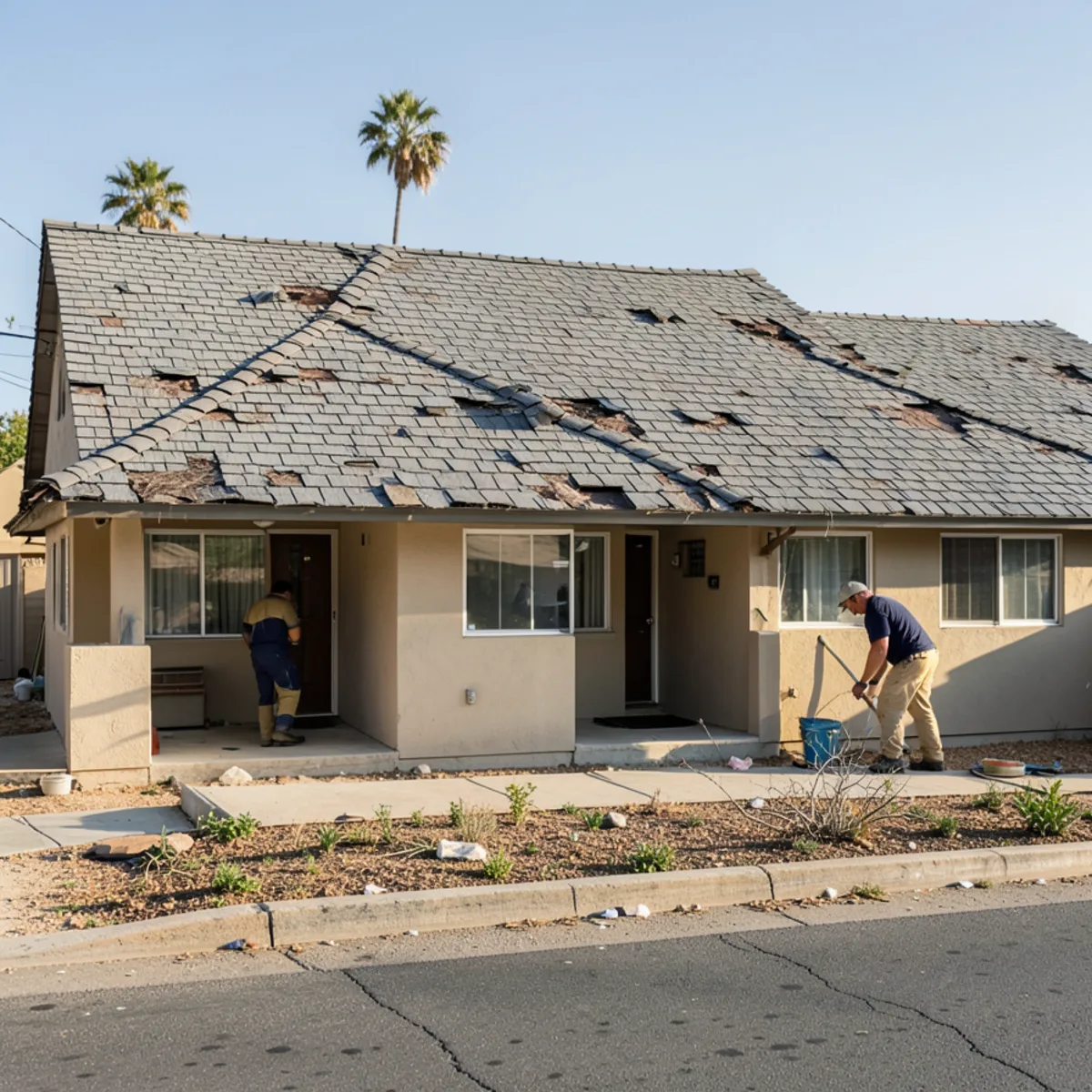
Patching feels cheap until the third patch. A roof can reach a point where every repair buys less time than the last one. Our roof replacement hub covers the options once you reach that point. Here are nine signs it has arrived, and one note on when it has not.
Which nine signs point to a new roof?
- The roof is near the end of its typical range. Asphalt shingles are typically described as lasting about 15 to 30 years, depending on type. That is a general range, not a promise. Our post on how long roofs last in Southern California gives the full table.
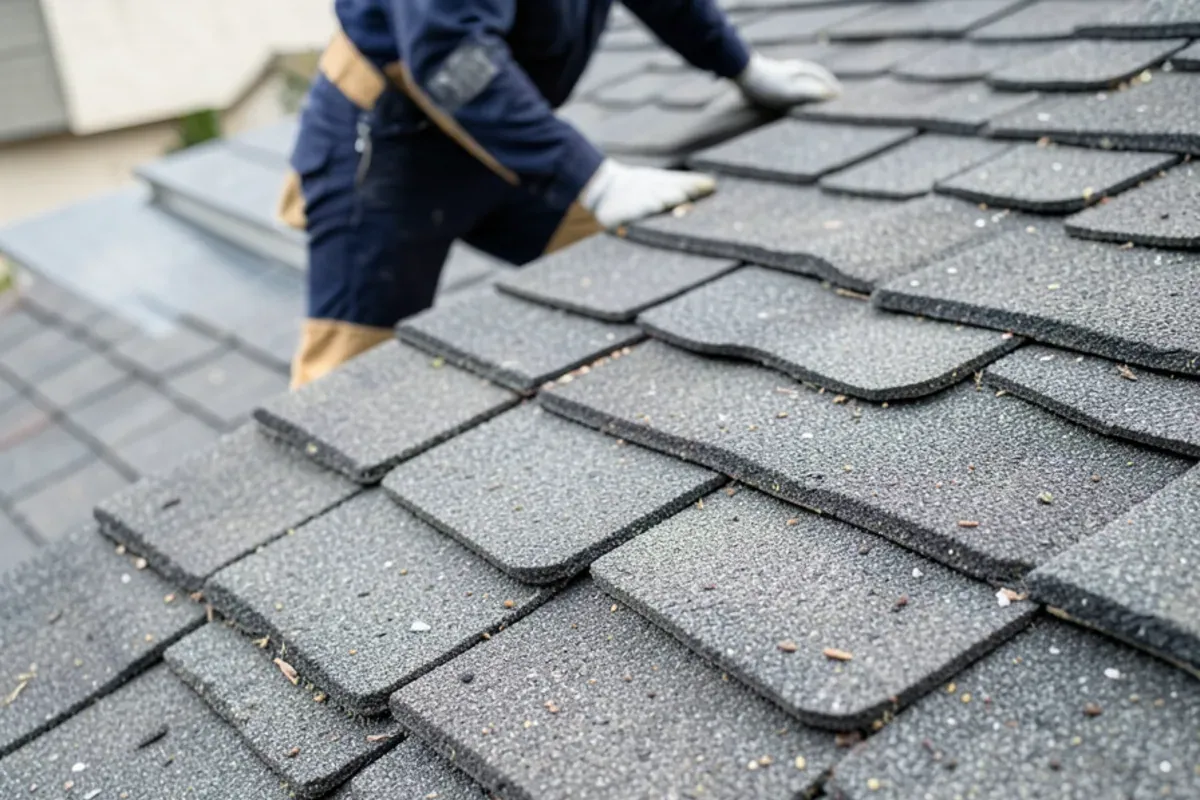
- Curling or cupping across large areas. Edges lifting on most of a slope signal brittle, tired shingles.
- Heavy granule loss. Bare patches, dark mat showing and a gutter full of grit. See roof granule loss for the difference between normal wear and a problem.
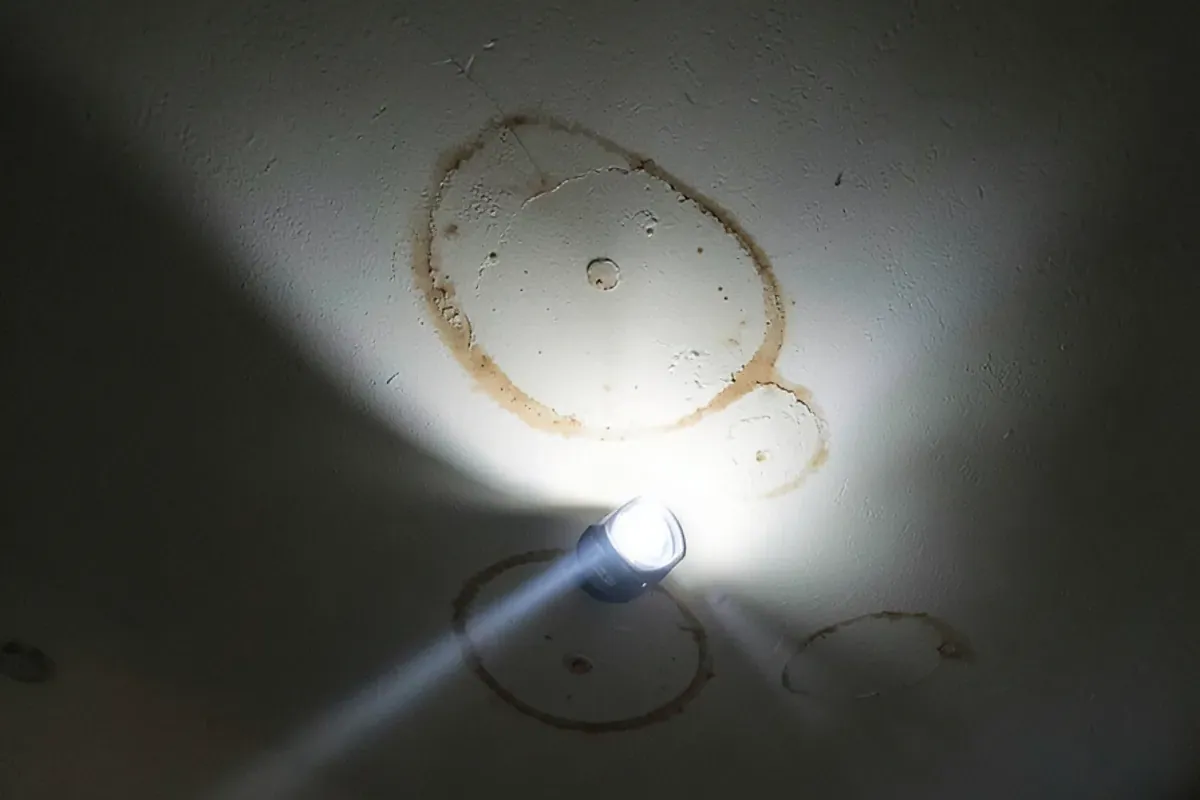
- Repeat leaks in different places. One leak is a repair. Three in different rooms point to the roof itself.
- Soft or sagging spots. If the roof line dips or feels spongy, the plywood decking may be wet or rotted.
- Daylight in the attic. Light where there should be none means openings in the roof.
- Many missing or cracked pieces. A few lost shingles after wind are a repair. Dozens are a roof losing its grip.
- Brittle or failed underlayment on tile. If the layer under the tile cracks, the tile can look perfect while the roof leaks.
- Flashing and sealant failing everywhere. If every penetration needs work and the surface is aging, a new roof often costs less than a string of repairs.
How can you check these from the ground and the attic?
You can find most of these safely.
- Ground. Binoculars on each slope. Look for curled tabs, bare patches, missing pieces, dips in the roof line and gutters full of grit.
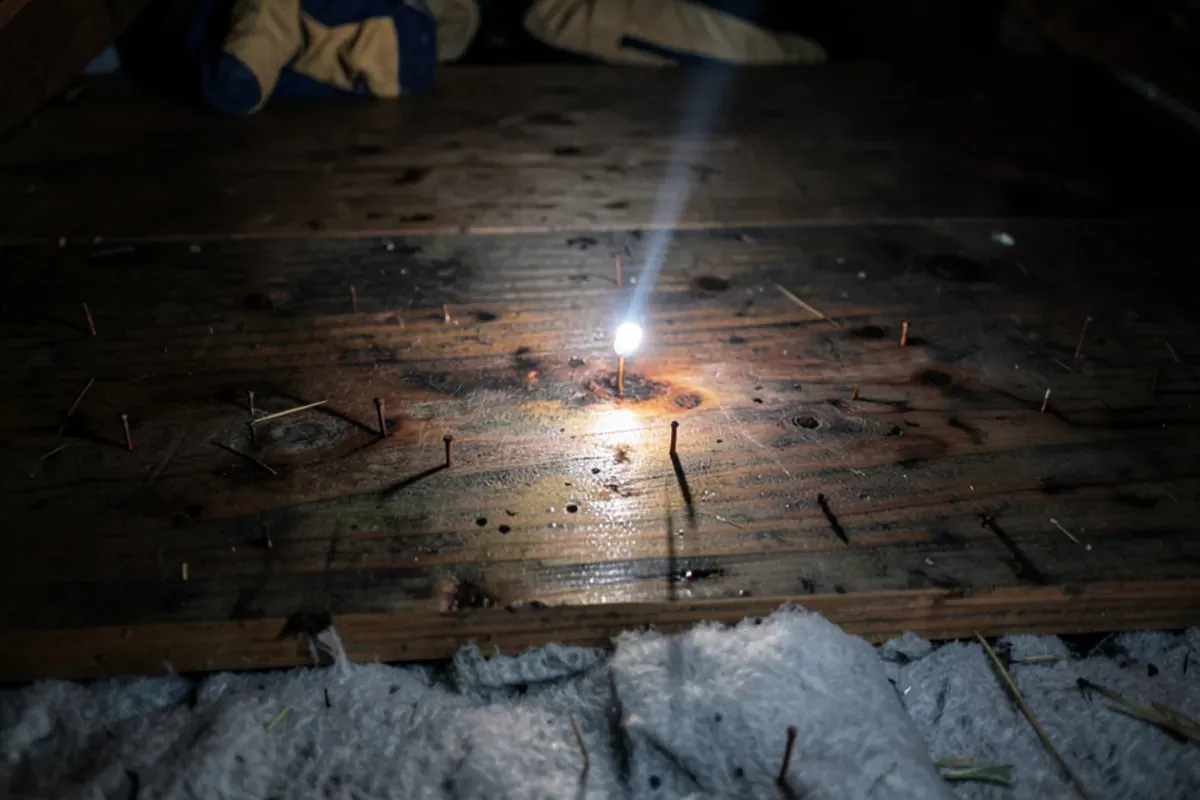
- Attic. Flashlight on a cool morning, stepping only on joists. Look for dark decking, daylight, wet insulation and rusted nails.
- Inside. Check ceilings at a low angle for rings and bubbles. Our guide to ceiling stain after rain helps you read them.
Please do not climb on the roof to confirm any of this. Steep pitches, brittle shingles and tile are all easy to damage or fall from. Take photos in the same order each time (each slope, the attic, each ceiling) with the date in the file name, so a second round a month later shows whether stains are growing or holding steady.
Which signs are urgent and which can be scheduled?
Not every sign calls for the same speed. Sort what you find before you decide.
| Group | Examples | Timing |
|---|---|---|
| Act now | Active drip, sagging ceiling, missing shingles over an open area, daylight with rain forecast | Same week, and tarp if needed |
| Plan this season | Widespread curling, heavy granule loss, repeat stains, failing sealant everywhere | Get an inspection and estimate within a few weeks |
| Watch yearly | Fading, light moss, minor granule loss on a mid-life roof | Photograph each fall and compare |
If you land in the first row and rain is coming, our post on what to do first when a roof leaks covers the immediate steps.
How many signs mean replacement?
One sign alone rarely does. Use this as a rough guide.
| What you see | Usual direction |
|---|---|
| One sign, roof mid-life | Repair or tune-up |
| One sign, roof past typical range | Inspect closely, plan ahead |
| Two or three signs together | Replacement likely worth pricing |
| Soft decking plus repeat leaks | Replacement likely, deck repair included |
| Four or more signs | Patching is probably money wasted |
When is a repair the better call?
Do not assume a stain means a new roof. One Google reviewer described a difficult insurance experience in which the roofer gave an honest estimate and explained that the main issue was in the roof valley, not the whole roof system. Valleys, vent boots, flashing and chimney joints fail on healthy roofs all the time. Our posts on roof valley leaks and why vent boots fail show how targeted repairs solve them.
Another Google reviewer said we found the exact source of a leak and fixed it for a fair price, instead of pushing a costly full replacement. That is our approach. We repair first when a repair will do.
What do roofers look at to decide?
This is what we check and what we tell customers when the question is repair or replace:
- Surface wear across all slopes, not just the leaking one.
- Decking condition, since soft spots change the scope. One Google reviewer described a project that included replacing damaged boards and correcting a sagging section of the roof deck.
- Repair history. Patches on top of patches tell a story.
- Attic ventilation, because a hot attic can shorten a new roof too.
- Flashing and underlayment, which are reused or replaced depending on their state.
We show you photos of what we find, explain repair and replacement options in plain terms and bring shingle samples if replacement makes sense.
What should you have in hand before deciding on a new roof?
A good decision rests on evidence you can see. Before you sign anything, collect this:
- Photos of the damage from the ground, the attic and the ceilings, with dates.
- The roof's age, from permits, invoices or the sale papers.
- A written scope that separates the roof surface, decking repairs, flashing, underlayment and permit costs.
- Material samples, so you can see the color and profile in daylight.
- A price for the repair option, not only for replacement, so you can compare them.

Also ask whether an overlay is allowed and whether it makes sense. Our post on roof overlay versus tear-off covers when each fits. If you have solar panels, ask about the timing of removal and reinstallation. We coordinate that timing with your solar company, and our post on replacing a roof under solar panels explains the sequence.
What does replacement cost compared with repair?
Homeyou's 2026 listing puts the average Torrance roof replacement at about $7,202 to $8,183, based on 7,210 projects. Published 2026 cost guides put typical roof repairs at about $300 to $1,500. Both are market data, not quotes. What moves the price for your house: roof size and pitch, material, how many layers must be removed, decking repairs, flashing and permit details. We handle permit details on re-roofs. Ask about financing at your estimate.
What should you do next?
Write down what you saw, photograph it and compare it to the nine signs. If you count two or more, get a professional opinion before another patch goes on. A roofing contractor in Torrance can inspect for free, explain the options and let you decide with real photos in hand. Our roof tear-off page explains what replacement involves if you reach that point.